aerotheology
Parham Ghalamdar: Aerotheology
Leeds Arts University’s Blenheim Walk Gallery presents Aerothology, a new exhibition by Iranian-British artist Parham Ghalamdar
13 May 2026 – 1 August 2026
Exhibition Preview: Tuesday 12 May 2026 5:00pm-7:00pm
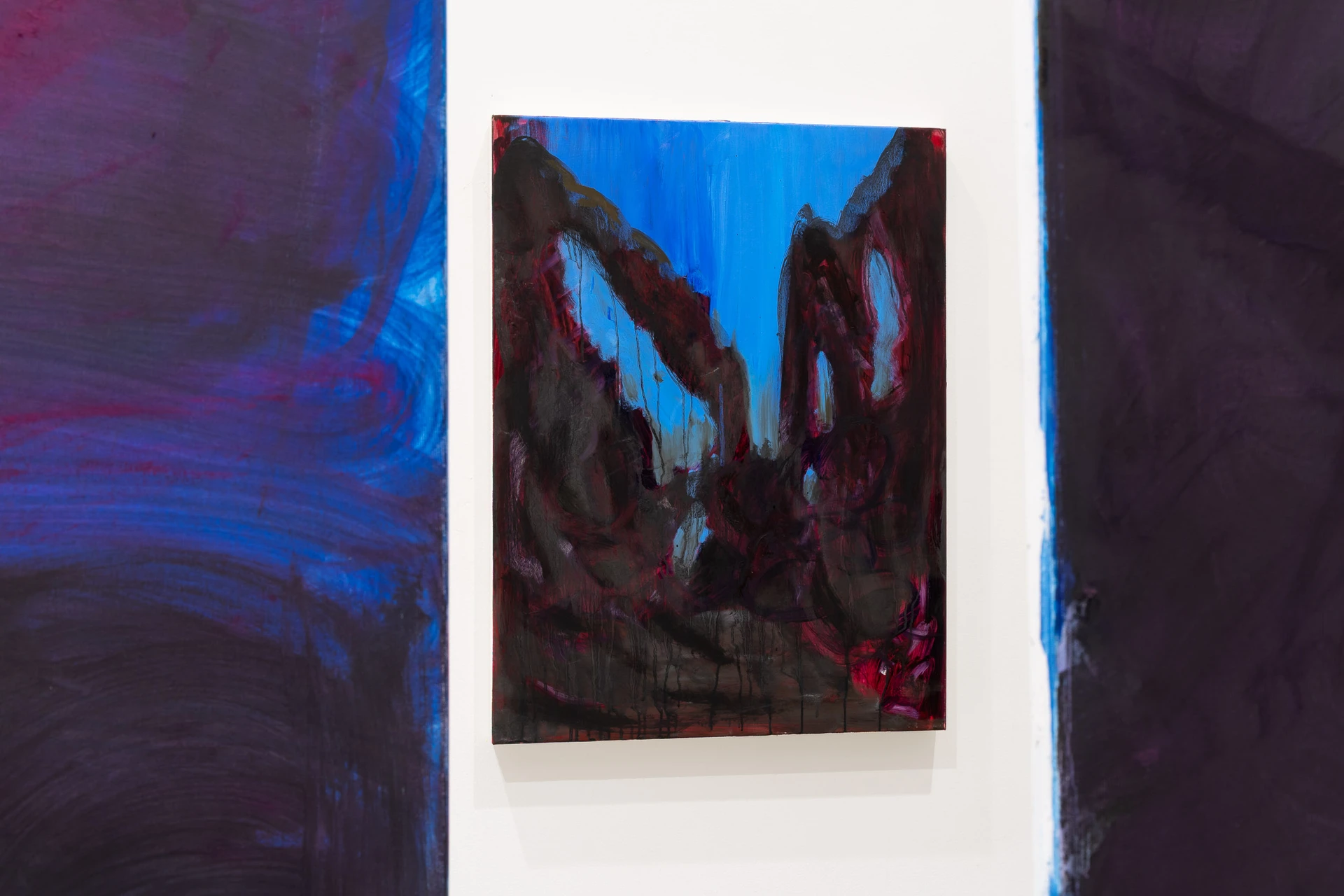
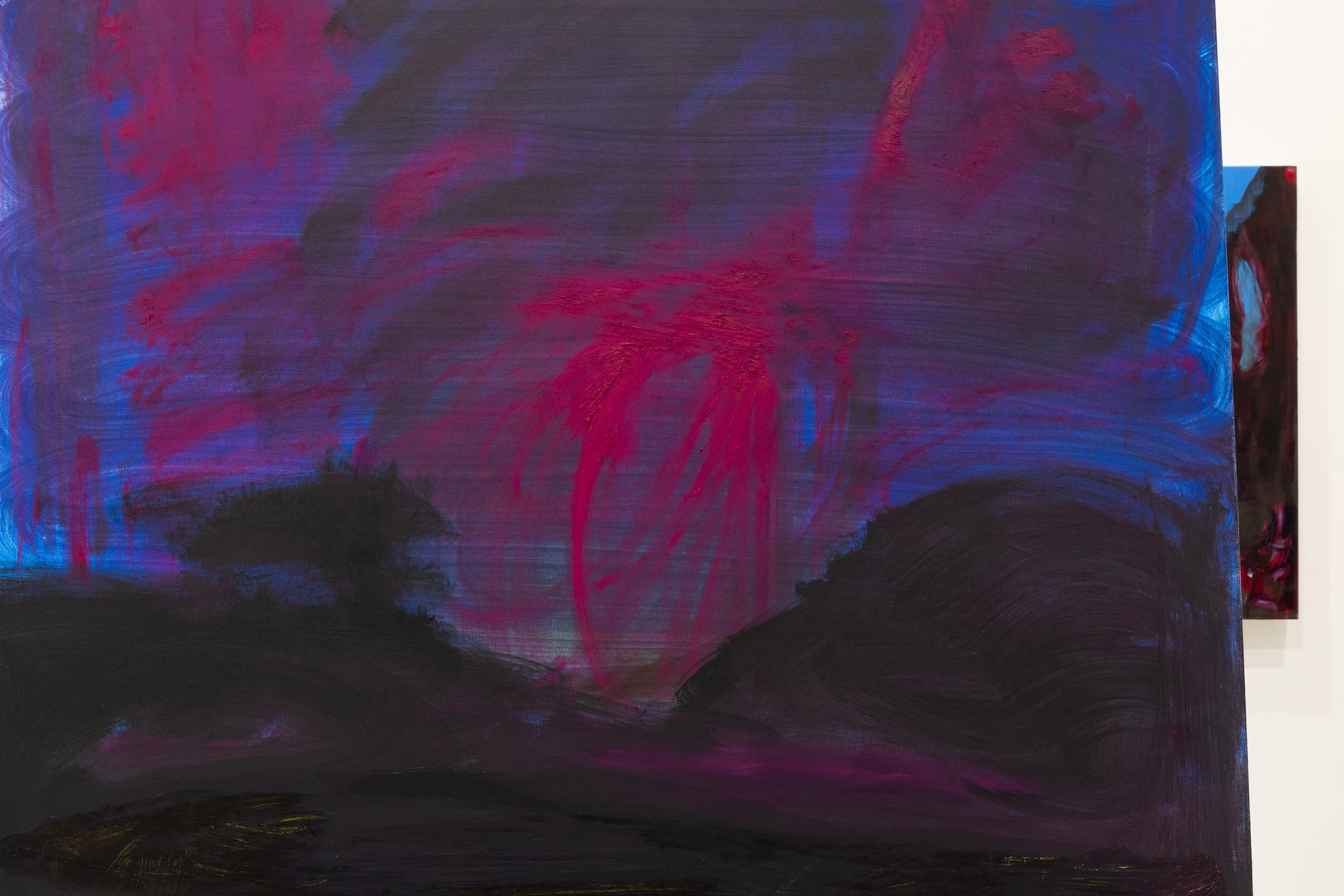
Blenheim Walk Gallery is pleased to present Parham Ghalamdar’s Aerotheology, an exhibition that examines how belief, technology, and material memory converge under conditions of violence, displacement, and uncertainty.
Bringing together aerospace language and folklore, engineering and ritual, the exhibition explores “lift” not only as a physical force but as a speculative and collective condition: what allows bodies, objects, and imaginaries to endure, to move, or to rise. Aerotheology constructs an environment in which knowledge is continuously produced and unsettled through material encounter.
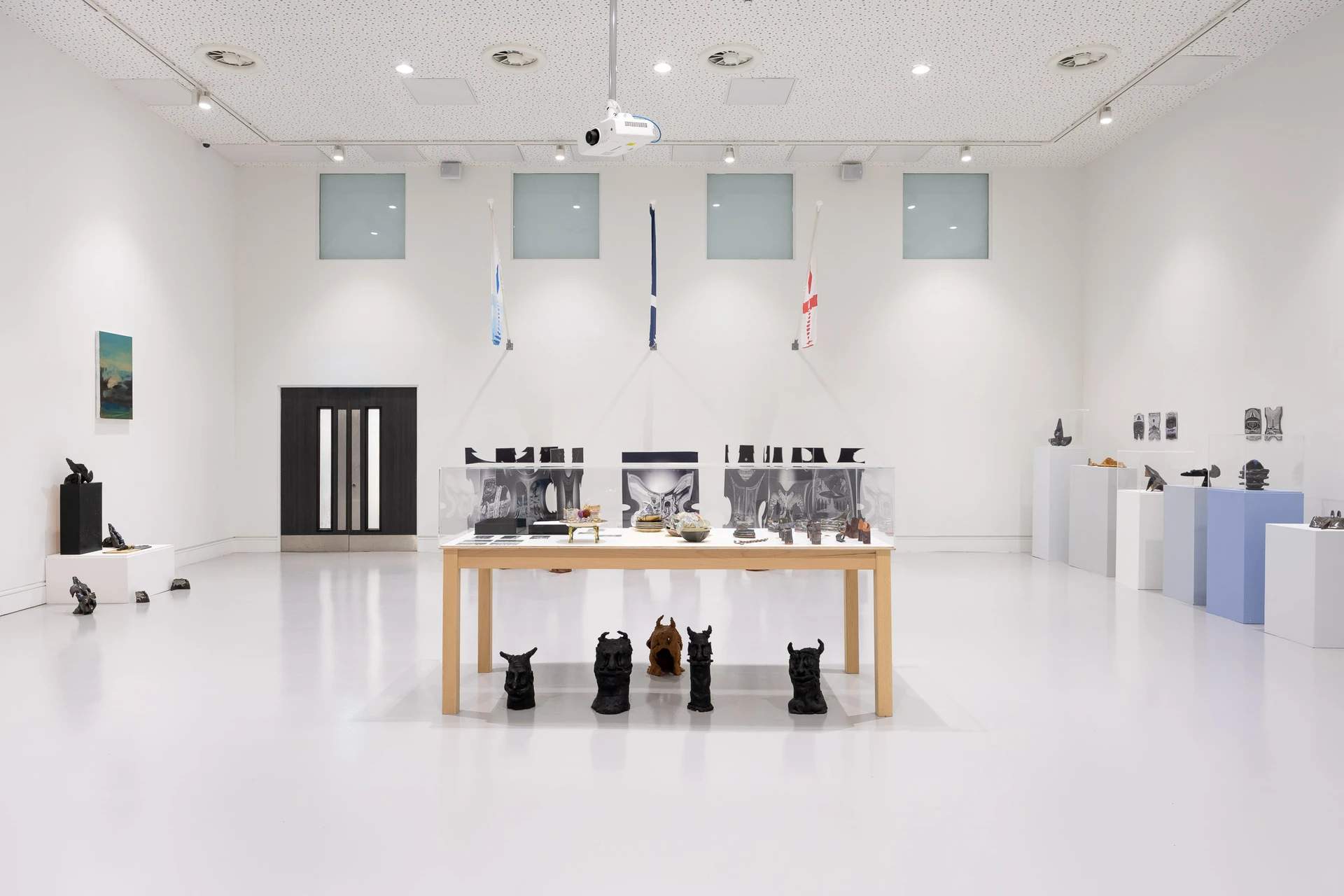
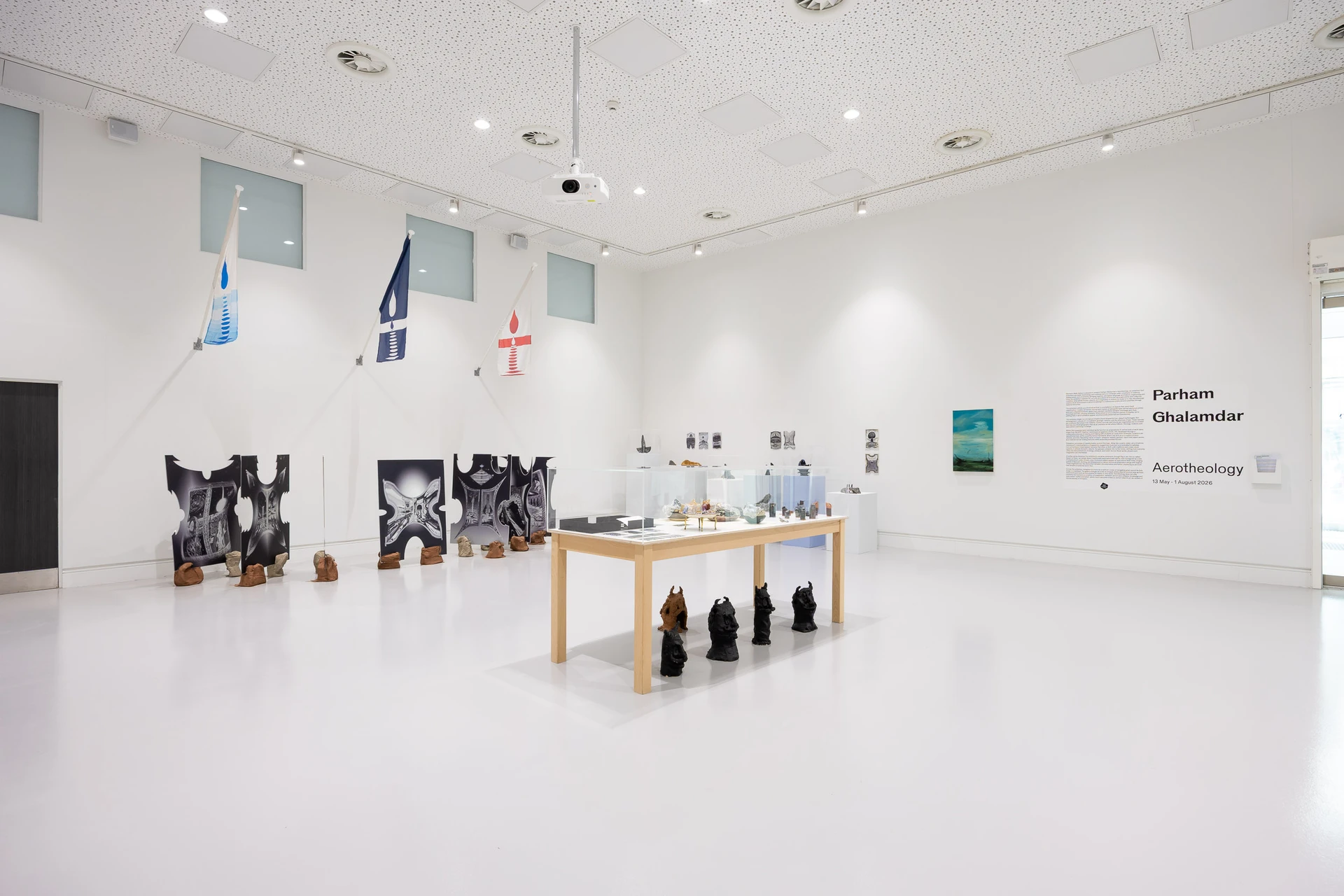
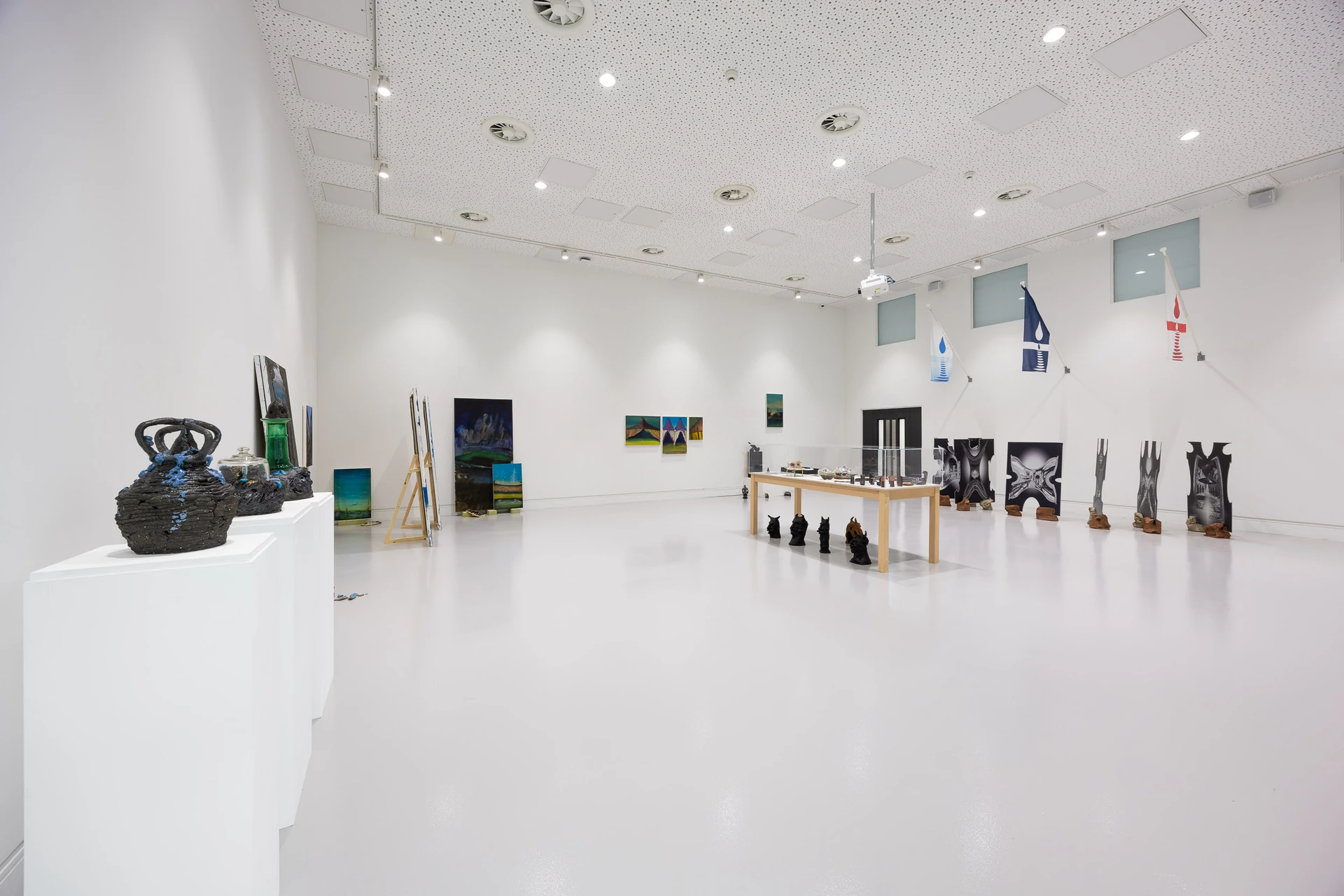
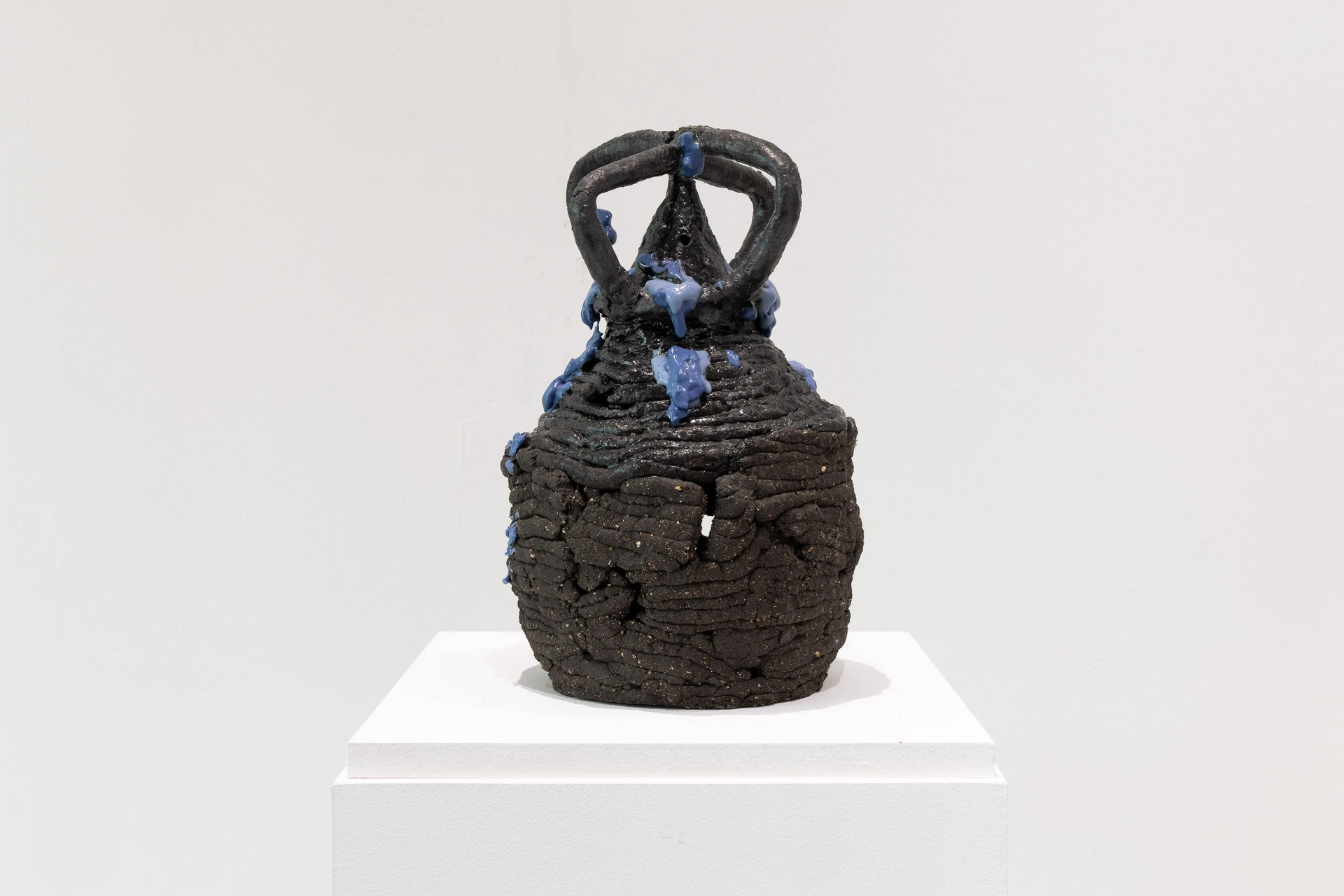
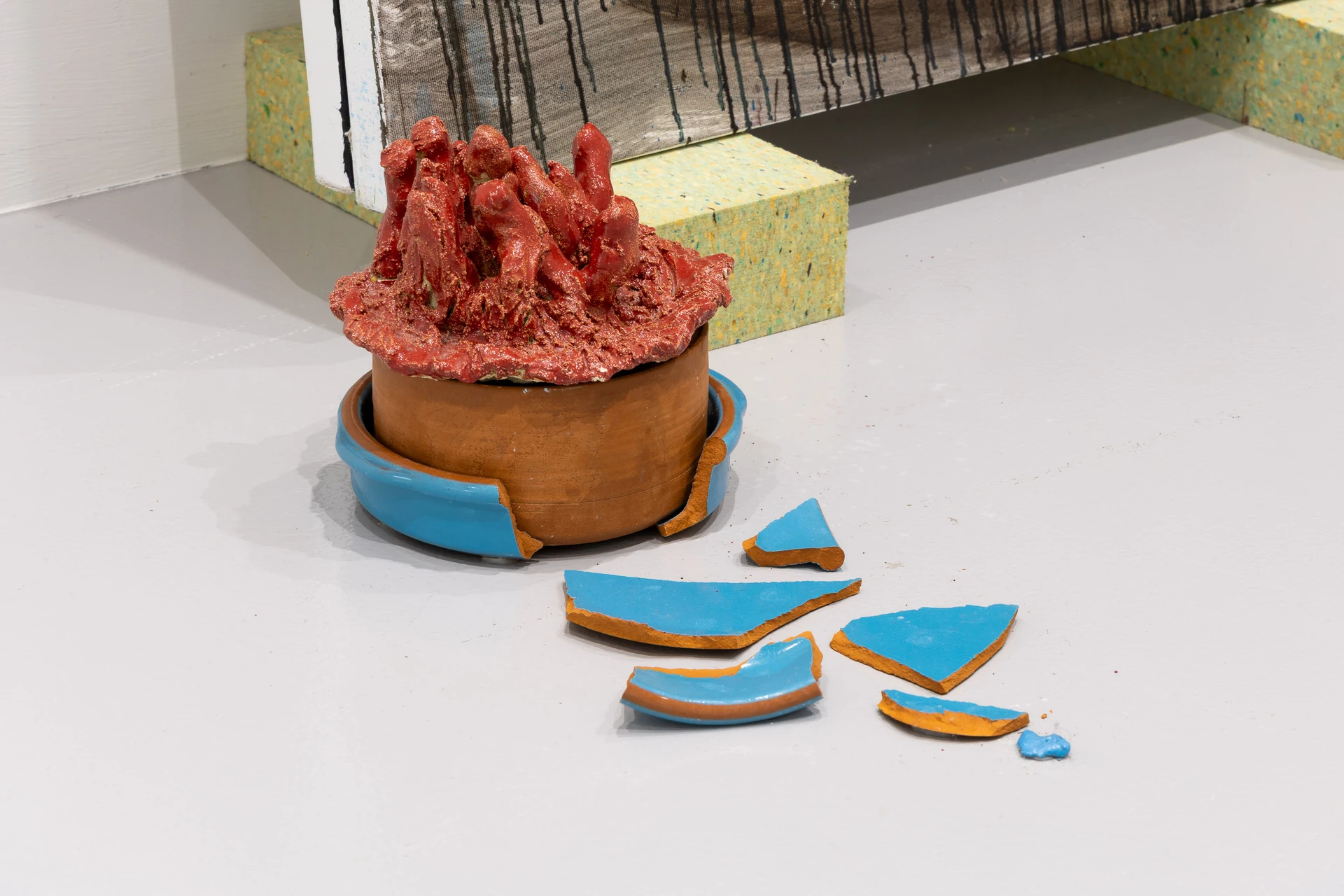
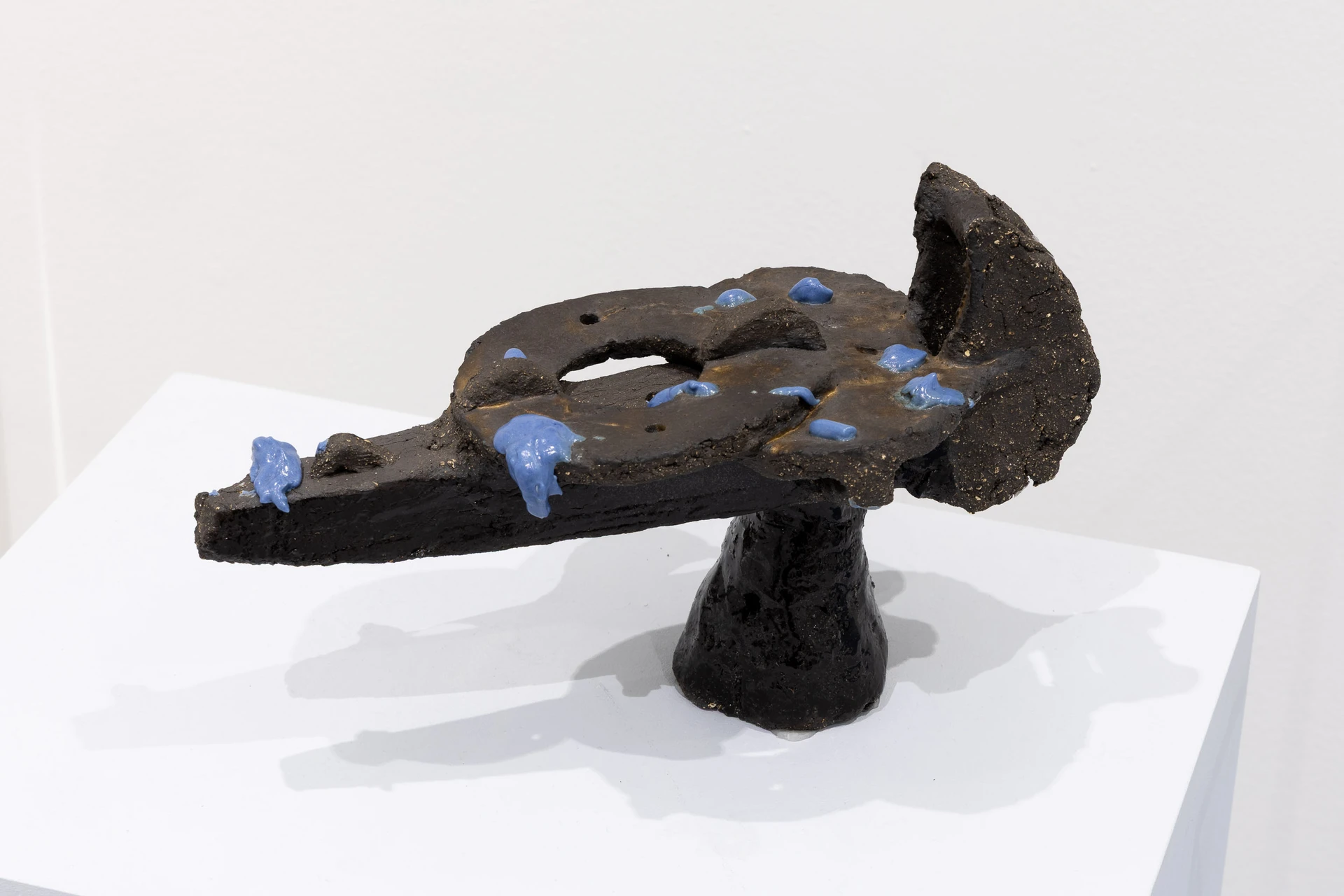
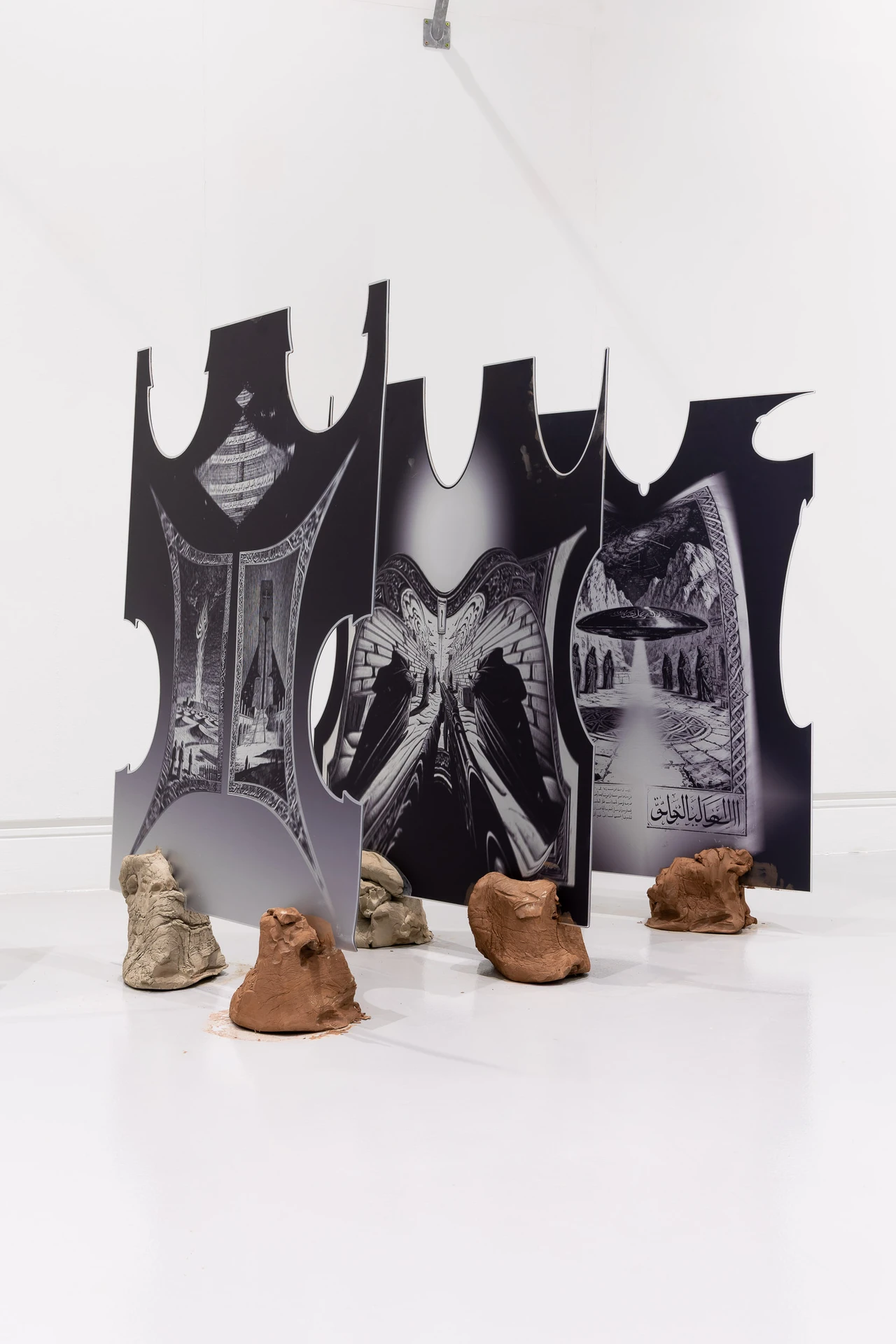
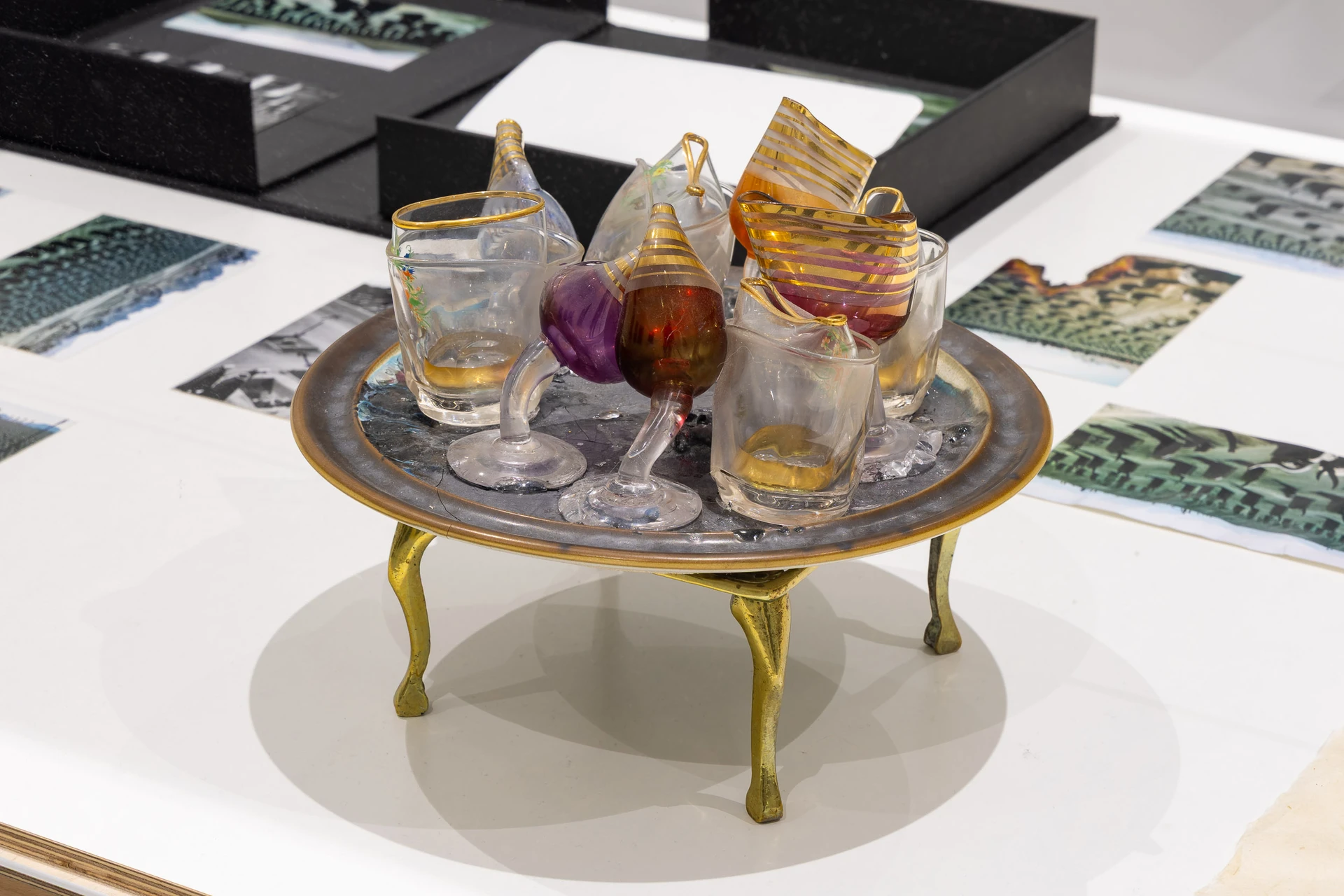
The exhibition unfolds as a fictional archive: a constellation of objects that resist fixed classification. Ceramic airframes, pierced and riveted, sit alongside laser-etched aluminium plates and heat-collapsed domestic glass. Each element oscillates between wreckage and ritual, prototype and relic, refusing neutrality. What arises is not a coherent system of display, but a shifting field in which artefacts appear simultaneously preserved and transformed.
The exhibition draws on conceptual infrastructures shaped by Iran—desert mythologies, Shi‘i estrangement, cultures of concealment, geologic memory, and the afterlives of war. These operate as conditions that shape how visibility, control, survival, and futurity are negotiated. Iran is invoked here less as a fixed geography than as an unstable terrain where folklore, theology, violence, and speculative cosmology converge.
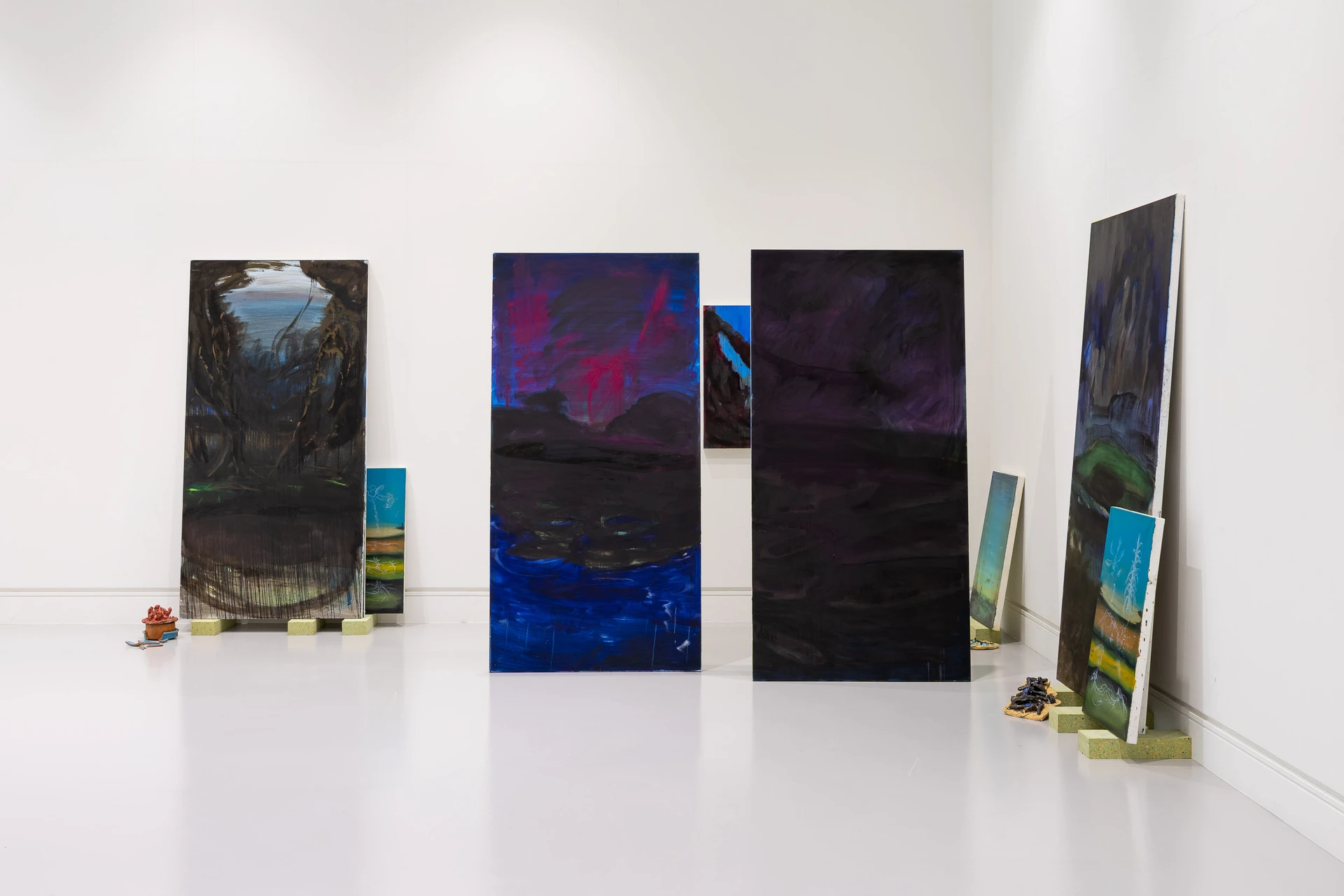
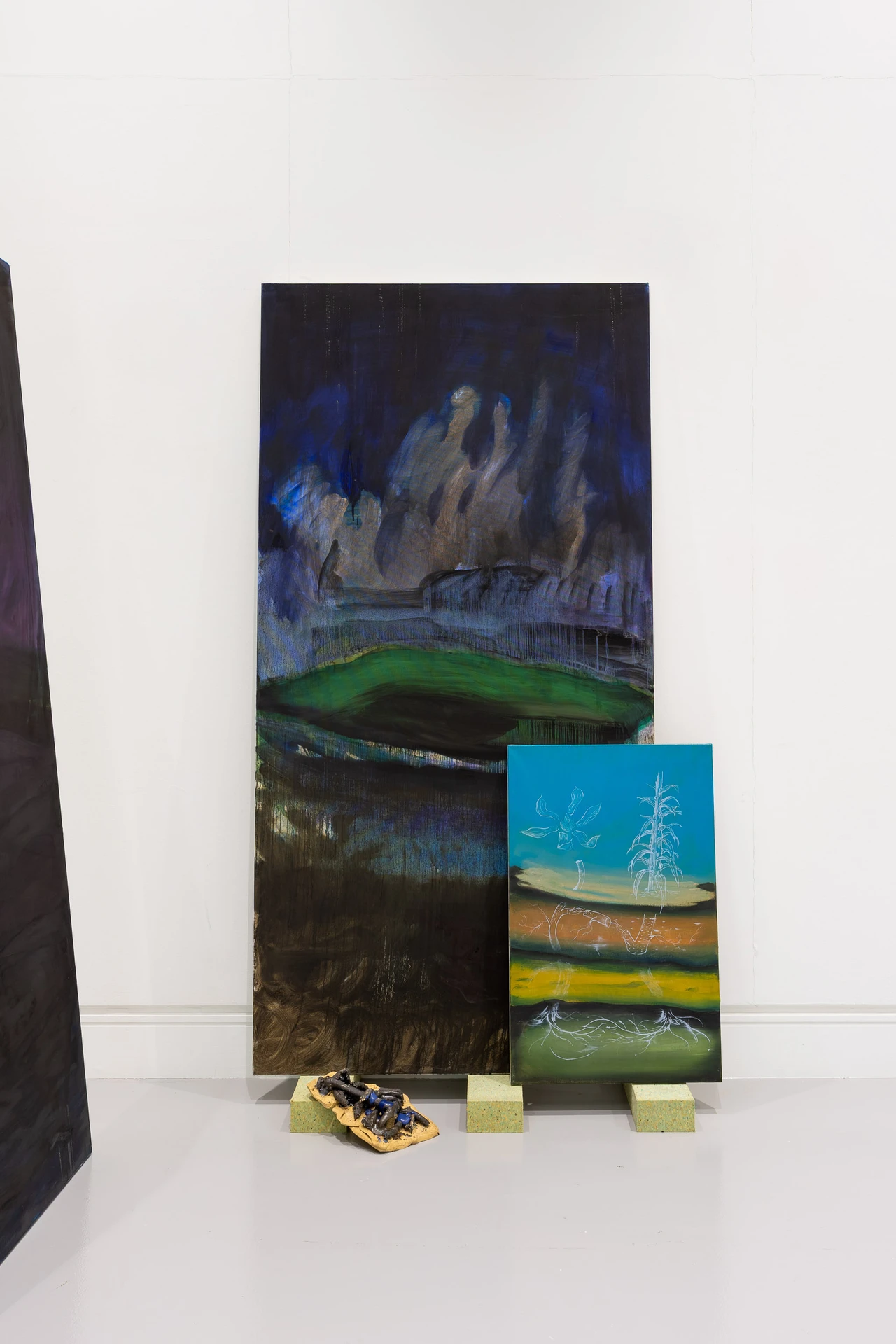
Parham Ghalamdar was awarded a commission as part of the 2024/25, APP Creative Commissions Programme, which aims to increase the presence of practitioners of minoritised ethnicities interacting with the University and to challenge and develop pedagogy by generating inclusive debate. A central body of work takes shape from the commission, developed through a collaborative process of reading and making with students at Leeds Arts University. Ceramics are repositioned here, within a posthumanist framework, where clay acts as a co-author of form, memory, and time. Absorbing traces of touch—pressure, residue, gesture—each fired object serves as a material record, holding histories while projecting possible futures.
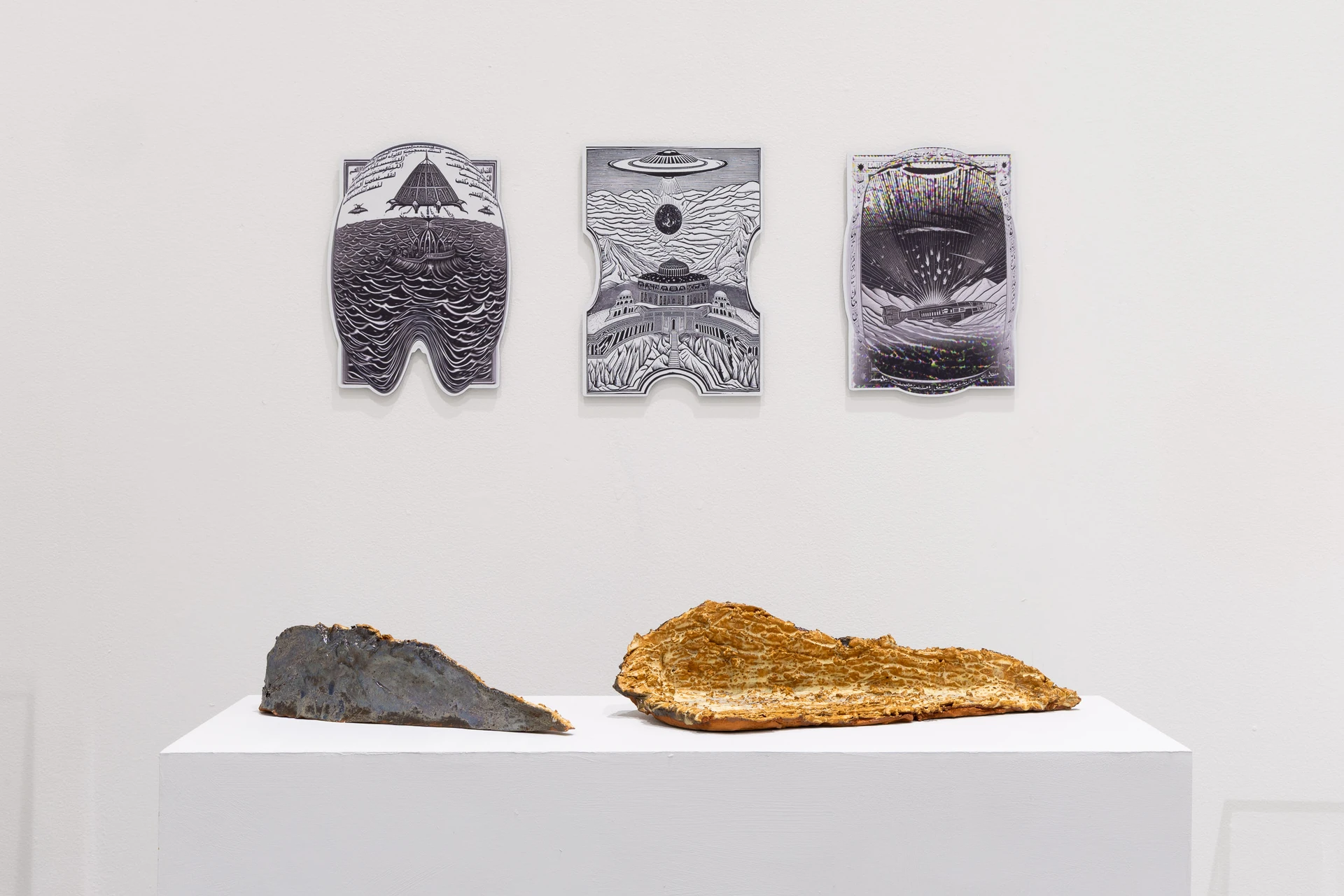
Elsewhere, processes of transformation extend this logic. Wing-like ceramic slabs carry striations reminiscent of wind patterns or fingerprints, suggesting movement and embodied knowledge. Cut-out surfaces reveal layered textures that draw on both craft traditions and coded visual systems. In altered domestic objects, tea glasses collapse into vortex forms, shifting from everyday utility into demonstrations of energy, pressure, and belief. Across these works, physics and imagination are intertwined.
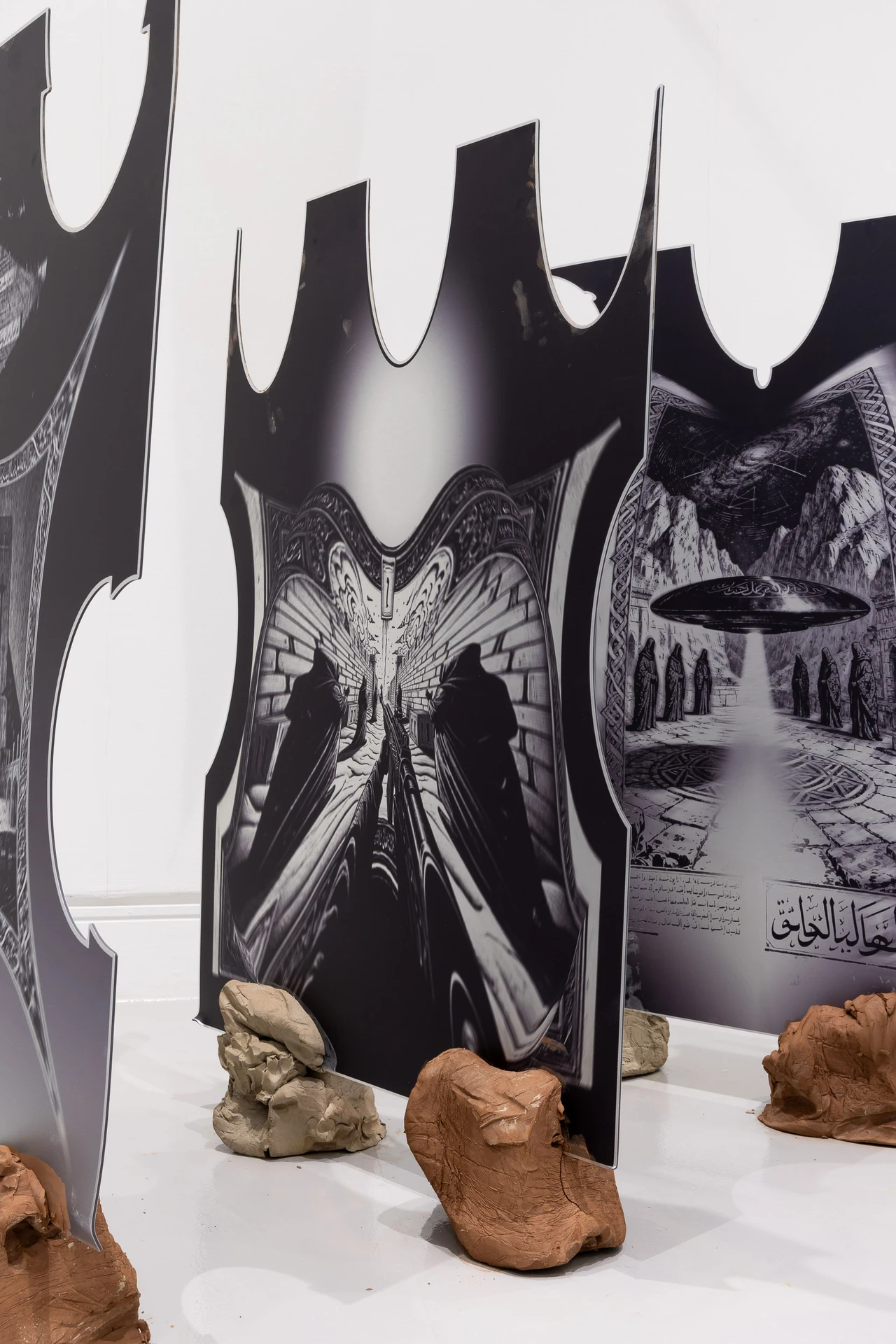
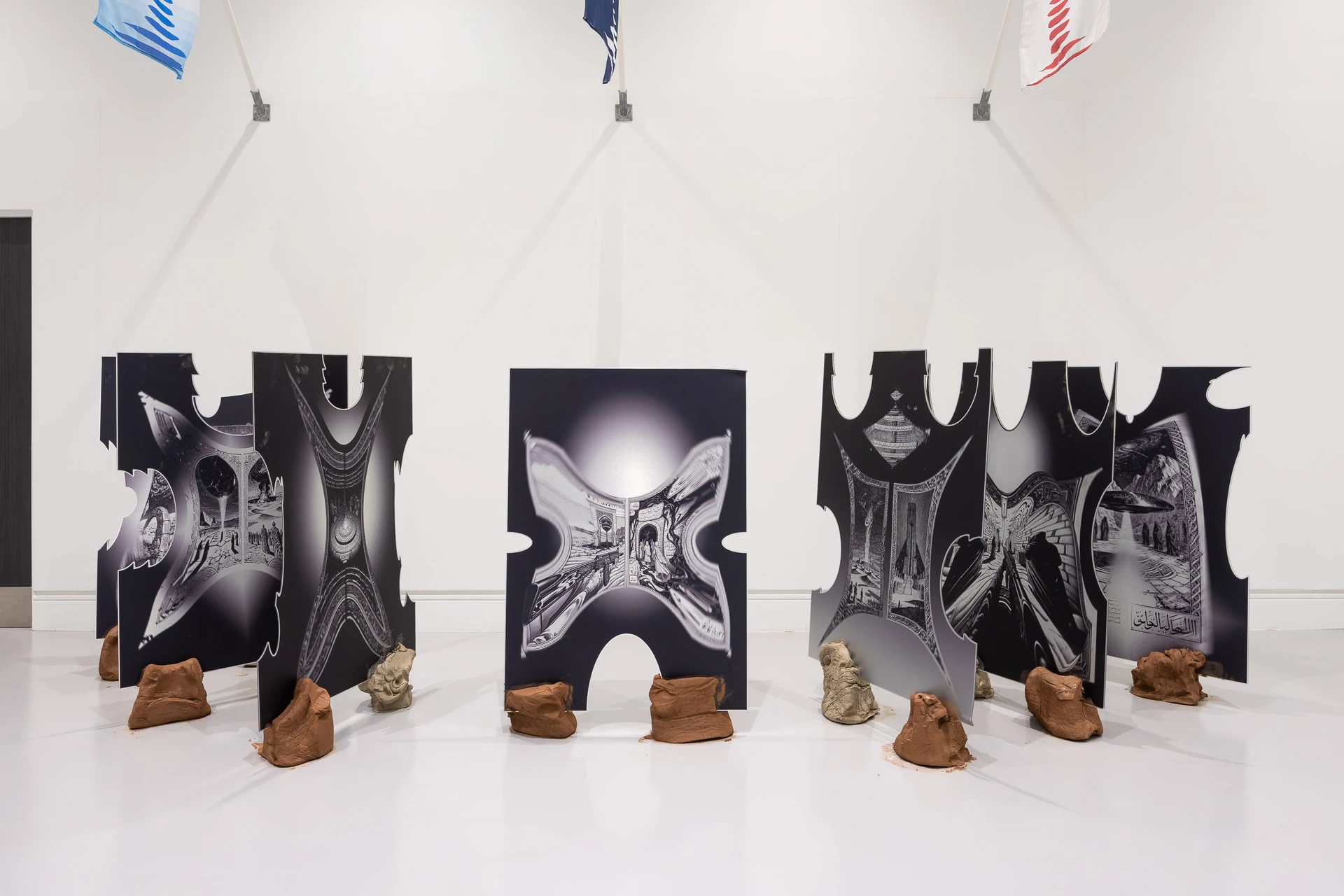
A further series develops the exhibition’s narrative dimension through Rig-e Jen, the so-called Desert of Djinn—an Iranian desert traditionally associated with spirits, here reimagined as a site of displacement under climate crisis. Aluminium plates appear as speculative field notes, staging scenes of descent, docking, and disappearance, where technical schematics merge with legend. These fragments blur the distinction between documentation and fiction, producing an account that remains provisional and in flux.
Across the exhibition, metaphor functions as a method —a way of navigating what cannot be fully known or stabilised. The gallery emerges as a site of struggle where objects function less as fixed statements and more as instruments for inquiry. In this sense, Aerotheology does not offer resolution but sustains a condition of suspension—between ascent and collapse, knowledge and speculation, matter and belief—where touch becomes evidence and art objects act as carriers of futures already in formation.
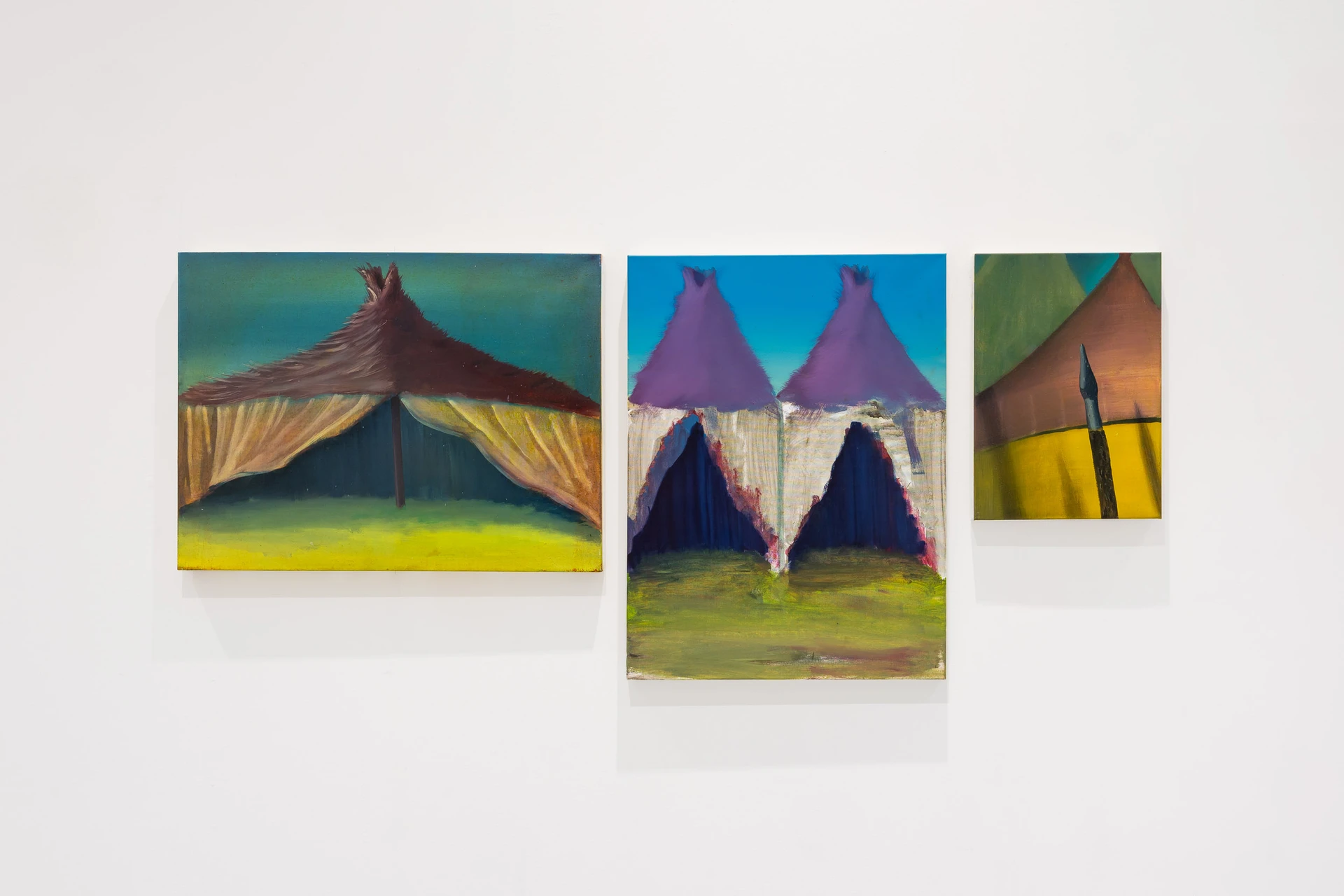
Parham Ghalamdar, Aerotheology, 13 May - 1 August 2026, Blenheim Walk Gallery, Leeds Arts University, Installation view. Photo: Jules Lister.