Gulp Appreciating Ferdowsi Weekly
Publishing Counterculture:
GULP Magazine appreciates Ferdowsi Weekly
GULP is an artistic platform founded and curated by Natasha Kay-Sportelli and Tomas Walmsley. Established in 2019, GULP offers artists opportunities to experiment and champions the offbeat, aiming to encourage encounters with unknown and underappreciated oddities. It commissions and facilitates work from creatives at any point in their careers, as well as documenting the wise words of those who inspire them. GULP magazine draws inspiration from the countercultural press of the 1960s, such as OZ and IT magazines, by producing a visually exhilarating and chaotic design. Unenthused by the plethora of clean, minimalist glossy magazines flooding cafes, bars, and bookshops, GULP aims to offer readers an alternative experience of printed media.
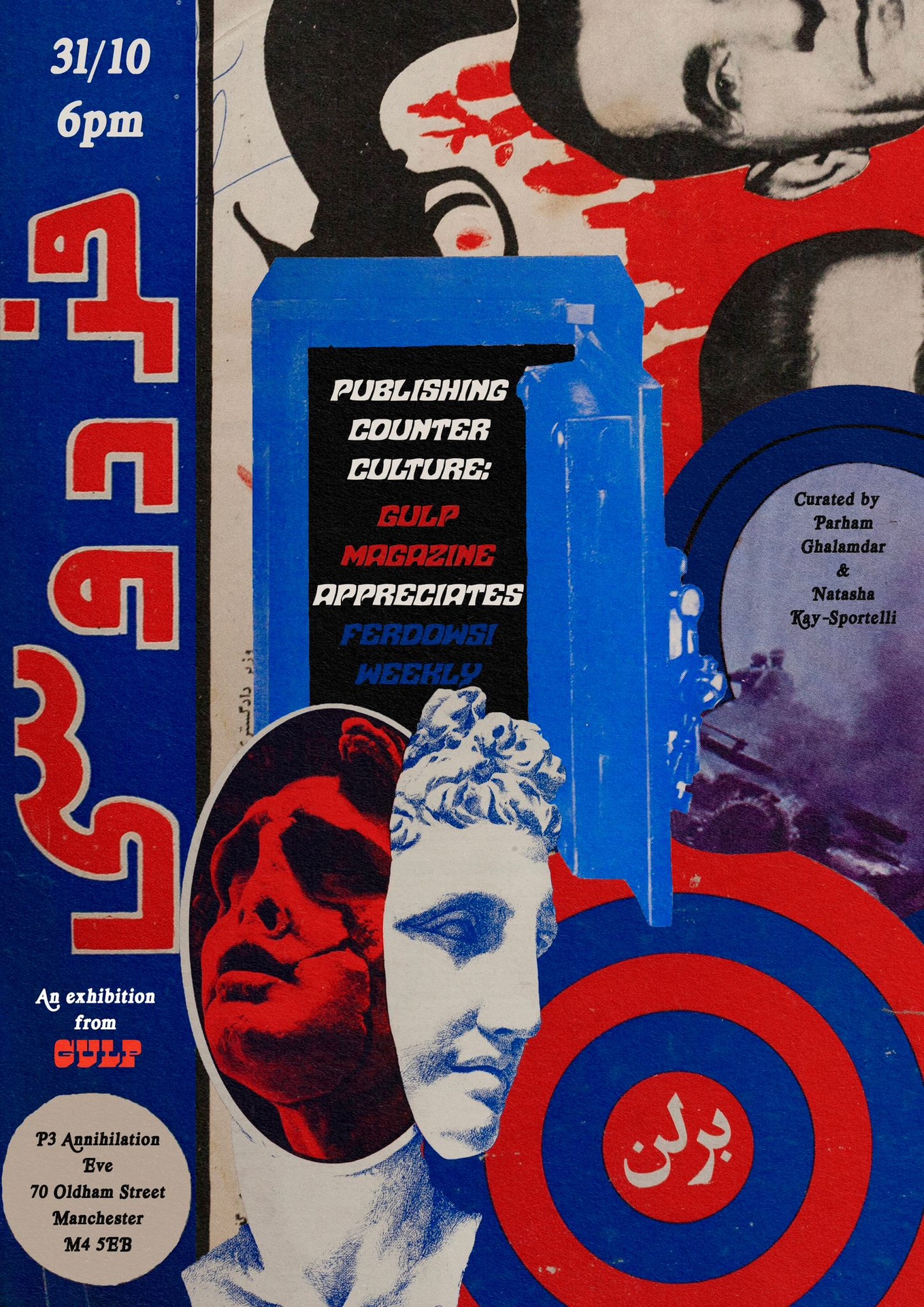
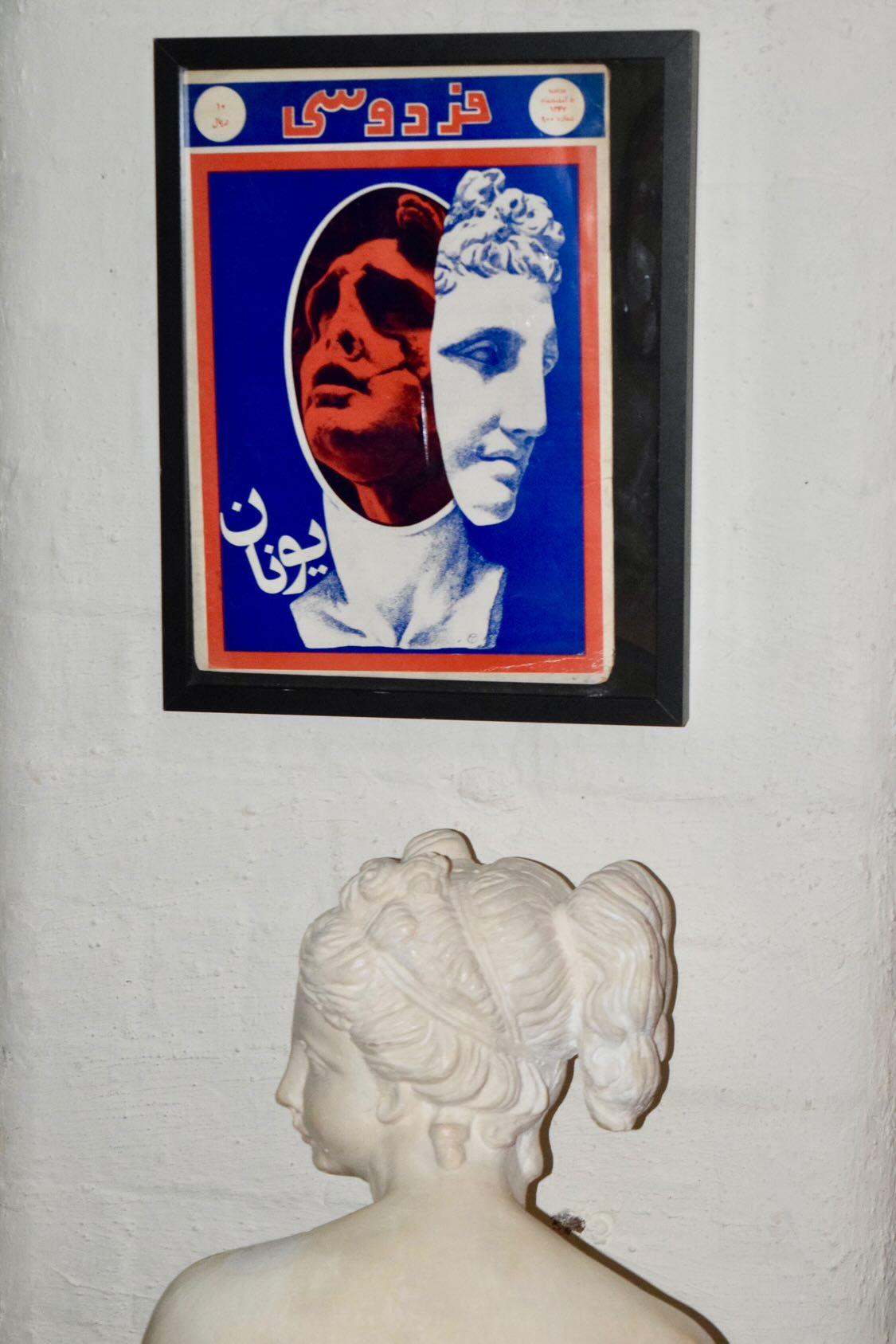
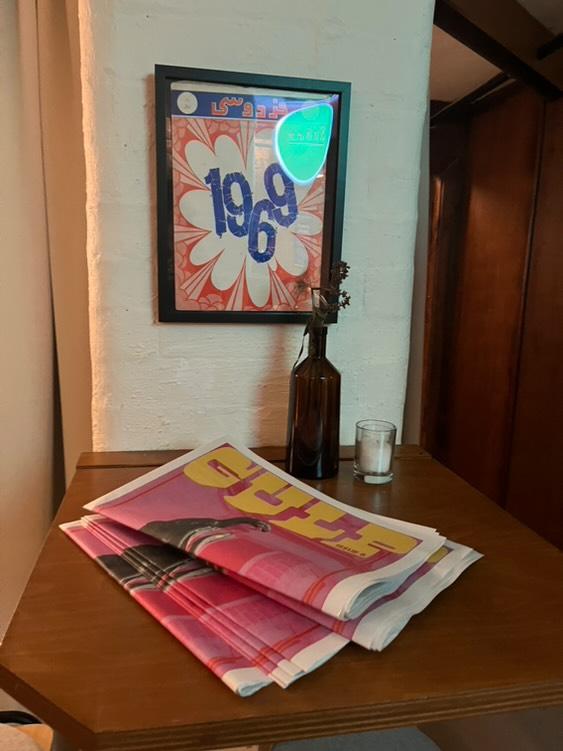
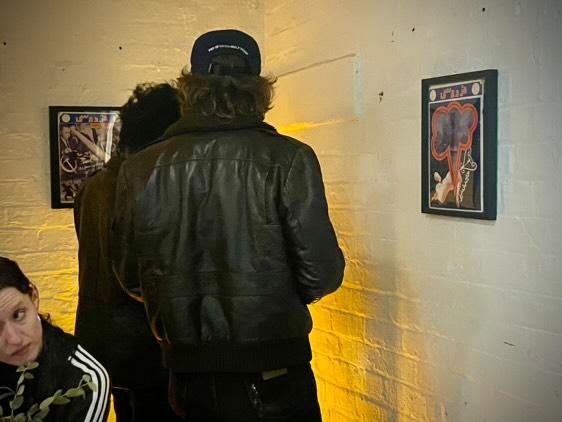
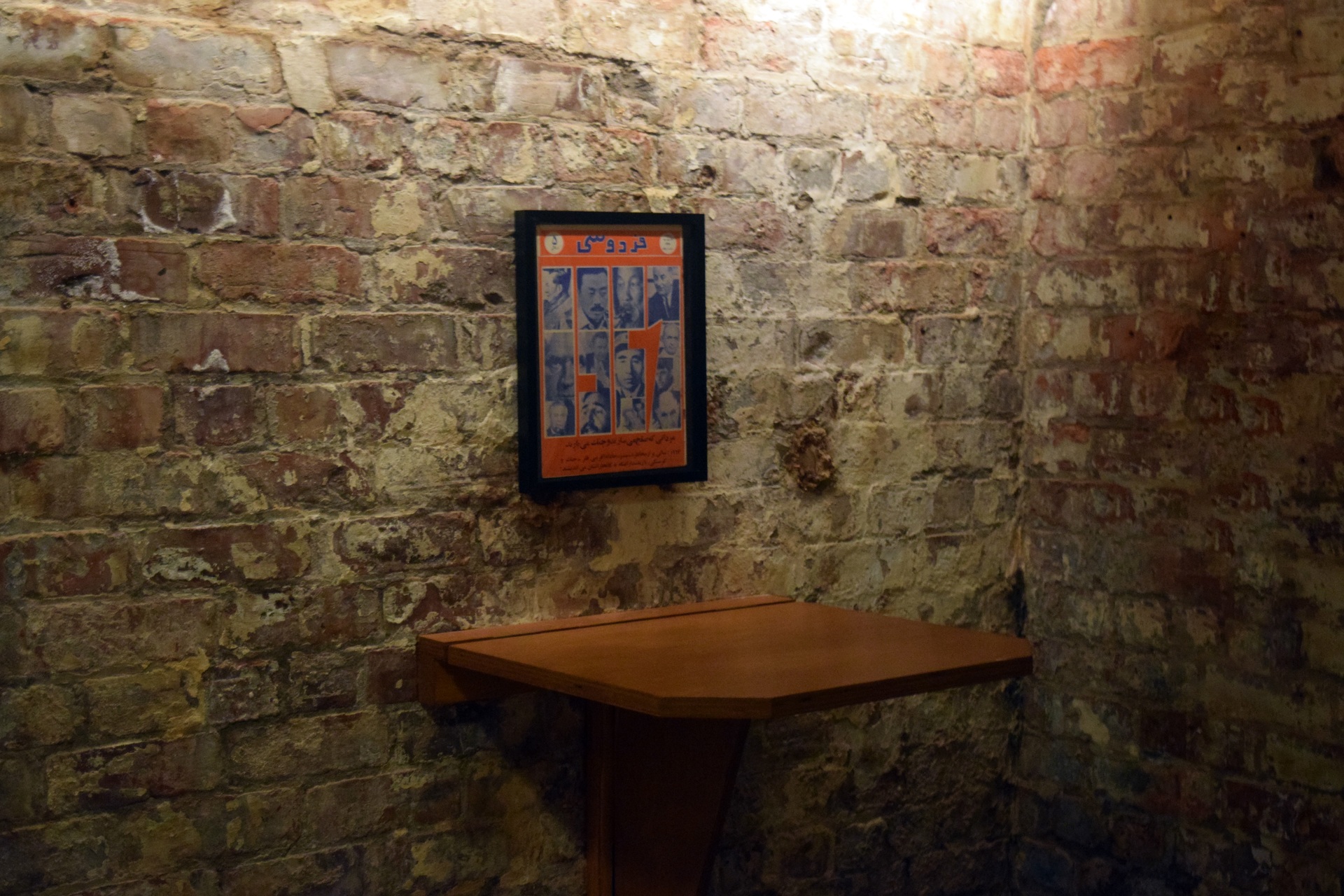
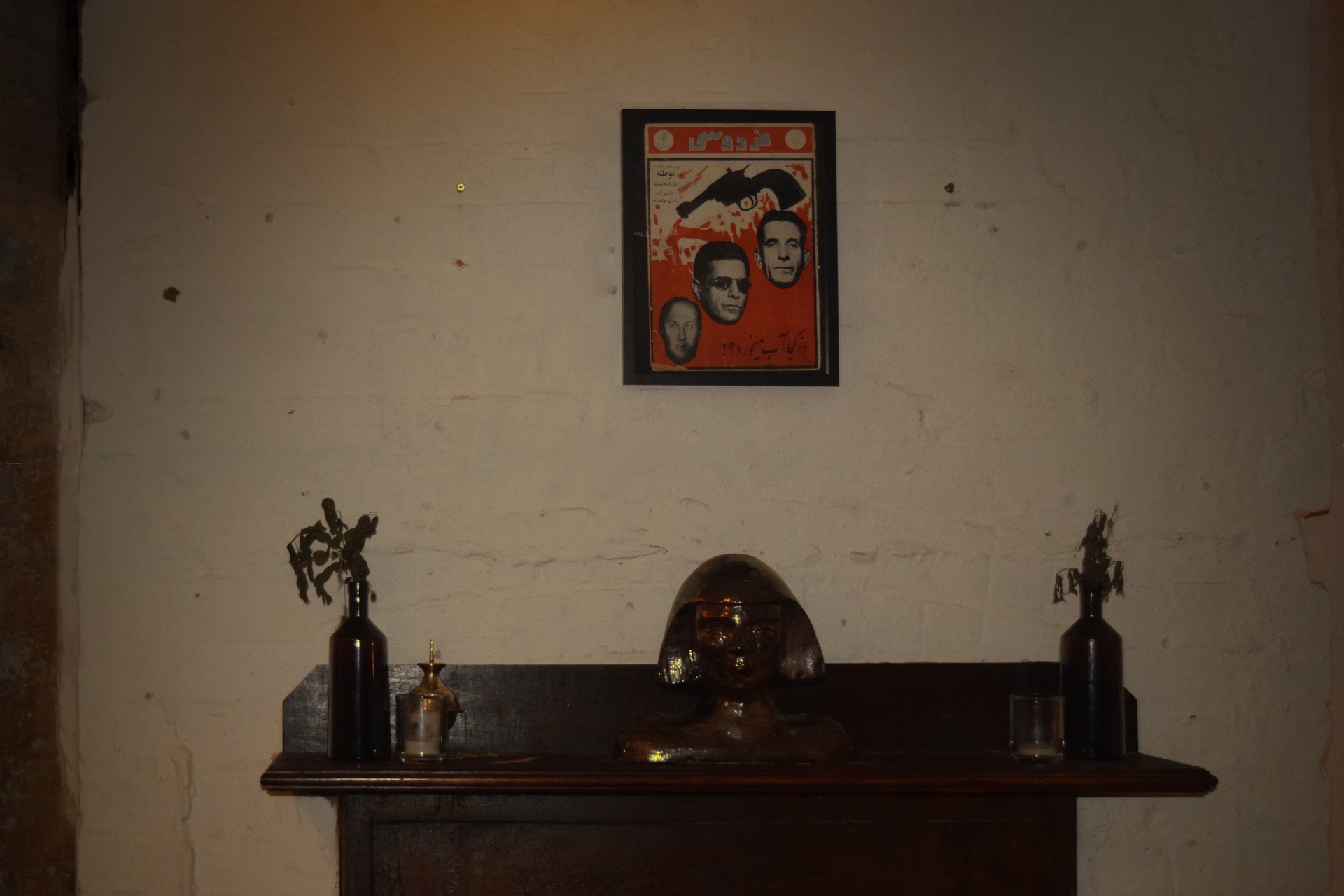
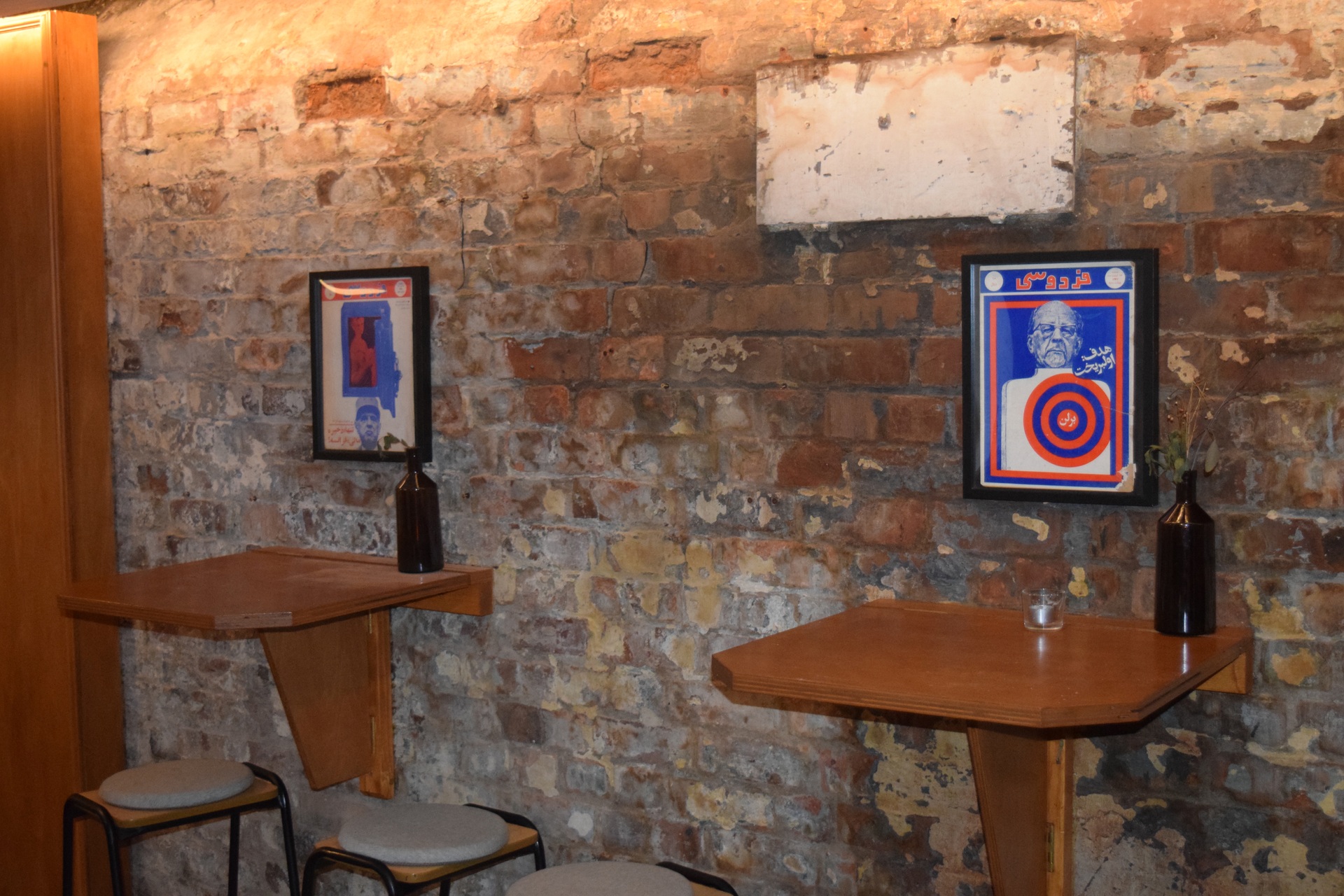
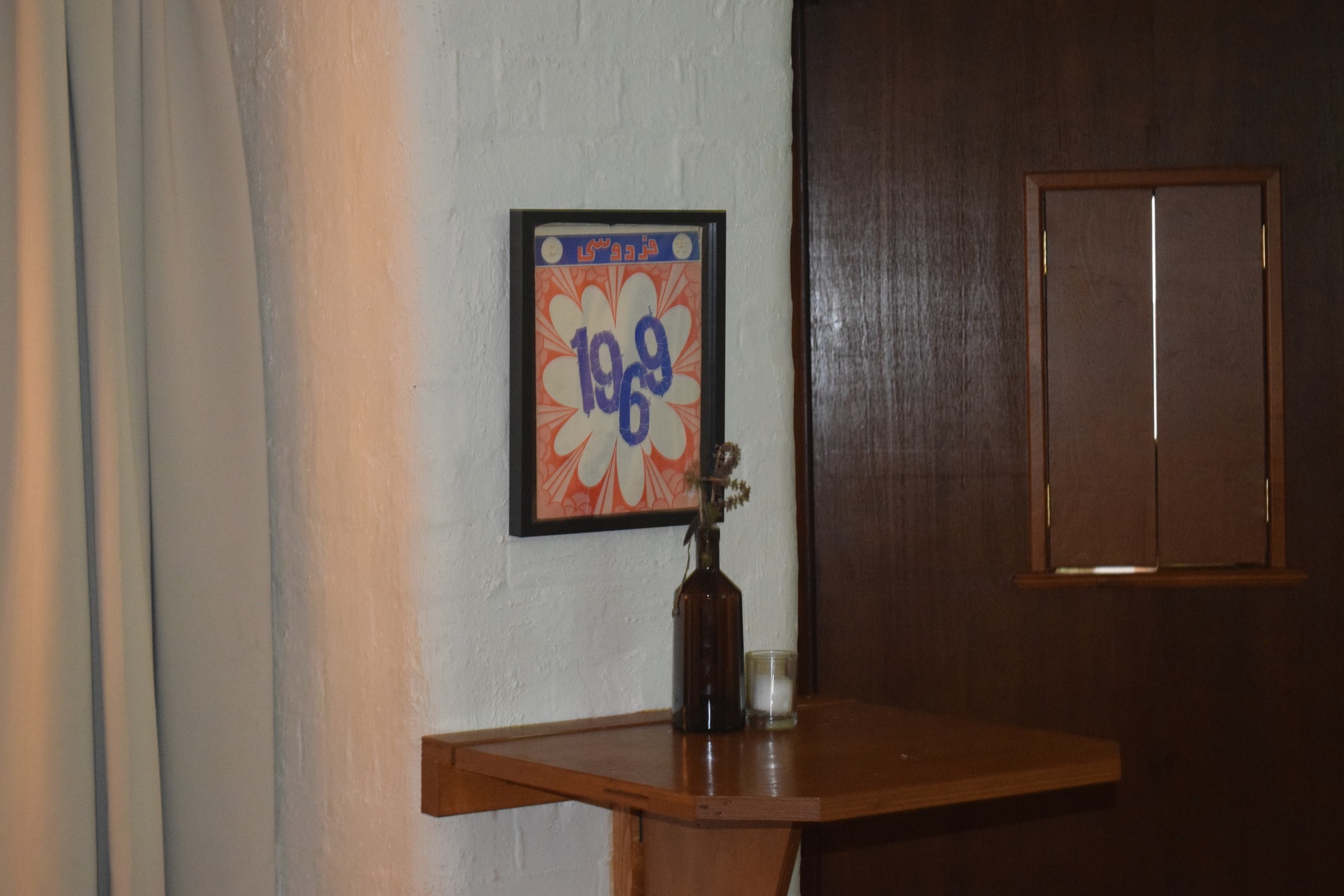
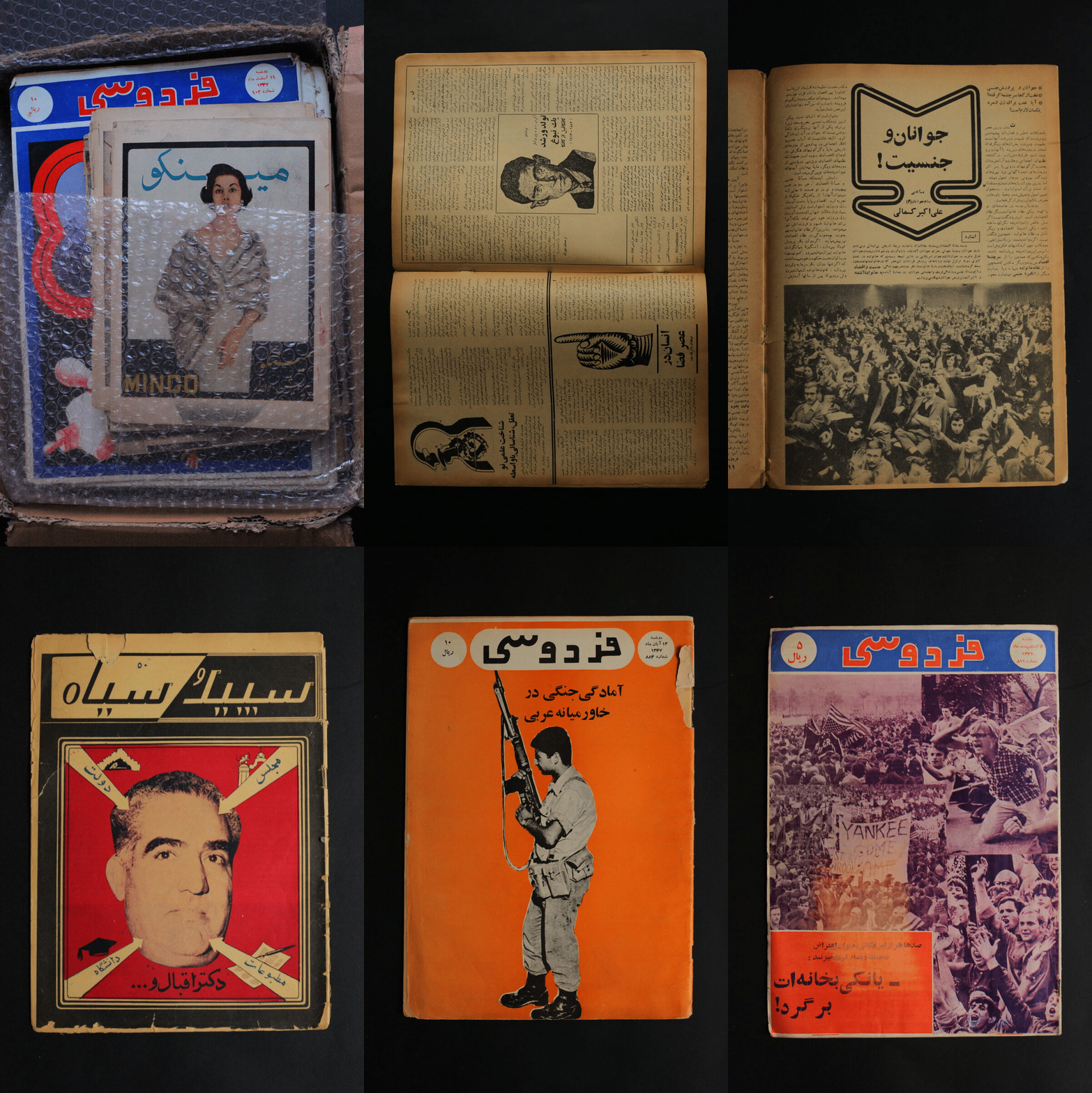
As a counter-culture press in Manchester, GULP published Parham Ghalamdar's personal collection of Iranian magazines from the 1960s in its latest issue, number 8. This was accompanied by an introduction penned by Ghalamdar himself, appreciating Iranian counter-culture publications such as the Ferdowsi Weekly. Following this, GULP curated an exhibition of the magazines at P3 Annihilation Eve (formerly O! Peste Destroyed) on Thursday, 31st October at 6 pm.
the text
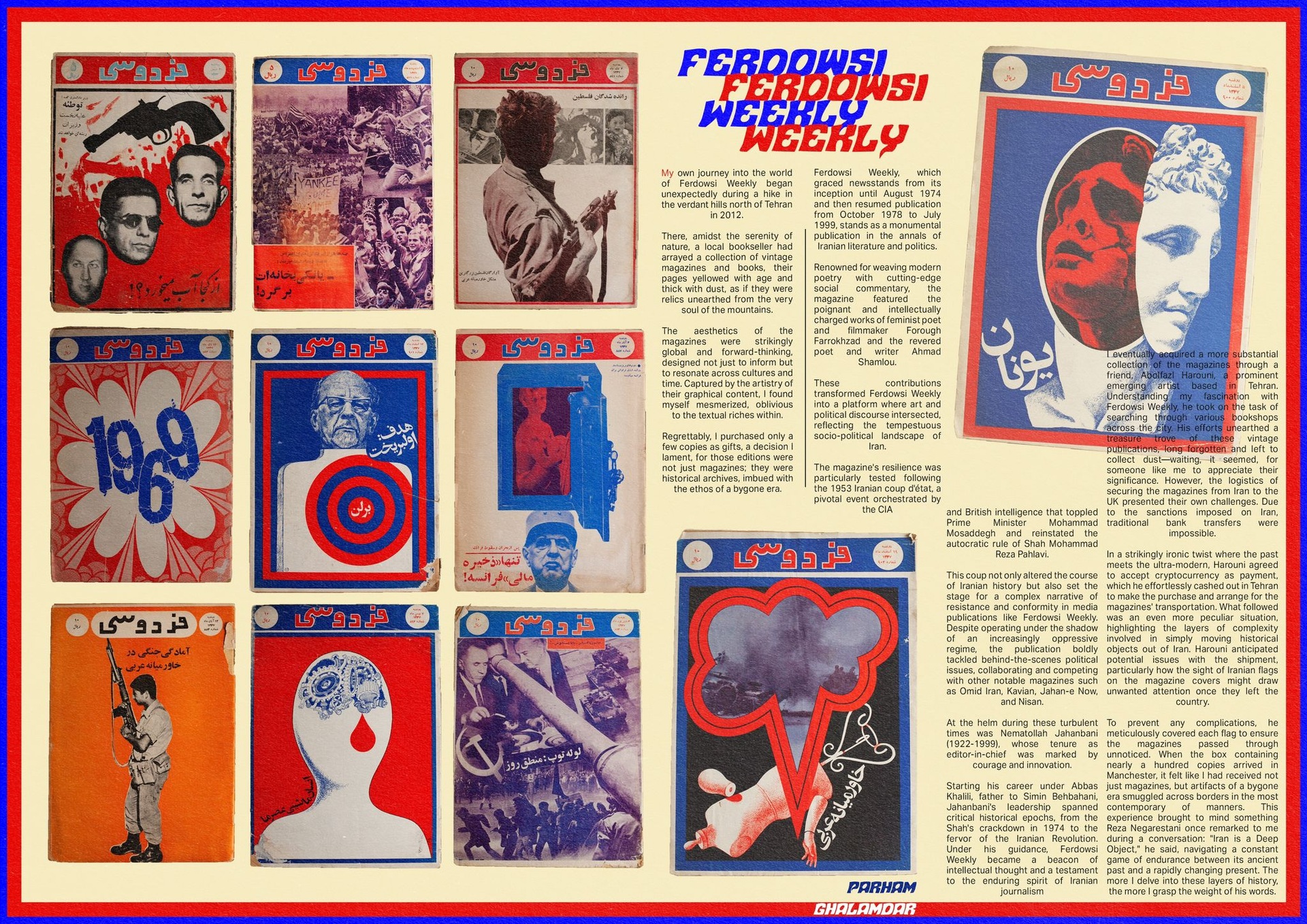
"My own journey into the world of Ferdowsi Weekly began unexpectedly during a hike in the verdant hills north of Tehran in 2012. There, amidst the serenity of nature, a local bookseller had arrayed a collection of vintage magazines and books, their pages yellowed with age and thick with dust, as if they were relics unearthed from the very soul of the mountains. The aesthetics of the magazines were strikingly global and forward-thinking, designed not just to inform but to resonate across cultures and time. Captured by the artistry of their graphical content, I found myself mesmerized, oblivious to the textual riches within. Regrettably, I purchased only a few copies as gifts, a decision I lament, for those editions were not just magazines; they were historical archives, imbued with the ethos of a bygone era.
Ferdowsi Weekly, which graced newsstands from its inception until August 1974 and then resumed publication from October 1978 to July 1999, stands as a monumental publication in the annals of Iranian literature and politics. Renowned for weaving modern poetry with cutting-edge social commentary, the magazine featured the poignant and intellectually charged works of feminist poet and filmmaker Forough Farrokhzad and the revered poet and writer Ahmad Shamlou. These contributions transformed Ferdowsi Weekly into a platform where art and political discourse intersected, reflecting the tempestuous socio-political landscape of Iran.
The magazine's resilience was particularly tested following the 1953 Iranian coup d'état, a pivotal event orchestrated by the CIA and British intelligence that toppled Prime Minister Mohammad Mosaddegh and reinstated the autocratic rule of Shah Mohammad Reza Pahlavi. This coup not only altered the course of Iranian history but also set the stage for a complex narrative of resistance and conformity in media publications like Ferdowsi Weekly. Despite operating under the shadow of an increasingly oppressive regime, the publication boldly tackled behind-the-scenes political issues, collaborating and competing with other notable magazines such as Omid Iran, Kavian, Jahan-e Now, and Nisan.
At the helm during these turbulent times was Nematollah Jahanbani (1922-1999), whose tenure as editor-in-chief was marked by courage and innovation. Starting his career under Abbas Khalili, father to Simin Behbahani, Jahanbani's leadership spanned critical historical epochs, from the Shah's crackdown in 1974 to the fervor of the Iranian Revolution. Under his guidance, Ferdowsi Weekly became a beacon of intellectual thought and a testament to the enduring spirit of Iranian journalism.
I eventually acquired a more substantial collection of the magazines through a friend, Abolfazl Harouni, a prominent emerging artist based in Tehran. Understanding my fascination with Ferdowsi Weekly, he took on the task of searching through various bookshops across the city. His efforts unearthed a treasure trove of these vintage publications, long forgotten and left to collect dust—waiting, it seemed, for someone like me to appreciate their significance. However, the logistics of securing the magazines from Iran to the UK presented their own challenges. Due to the sanctions imposed on Iran, traditional bank transfers were impossible. In a strikingly ironic twist where the past meets the ultra-modern, Harouni agreed to accept cryptocurrency as payment, which he effortlessly cashed out in Tehran to make the purchase and arrange for the magazines' transportation.
What followed was an even more peculiar situation, highlighting the layers of complexity involved in simply moving historical objects out of Iran. Harouni anticipated potential issues with the shipment, particularly how the sight of Iranian flags on the magazine covers might draw unwanted attention once they left the country. To prevent any complications, he meticulously covered each flag to ensure the magazines passed through unnoticed. When the box containing nearly a hundred copies arrived in Manchester, it felt like I had received not just magazines, but artifacts of a bygone era smuggled across borders in the most contemporary of manners. This experience brought to mind something Reza Negarestani once remarked to me during a conversation: "Iran is a Deep Object," he said, navigating a constant game of endurance between its ancient past and a rapidly changing present. The more I delve into these layers of history, the more I grasp the weight of his words."
-Parham Ghalamdar -
The exhibition