GRAFFITI, VANDALISM AND SOCIAL RESPONSIBILITY
GRAFFITI & CIVIL DISOBIDIENCE FROM 2006 TO 2015,
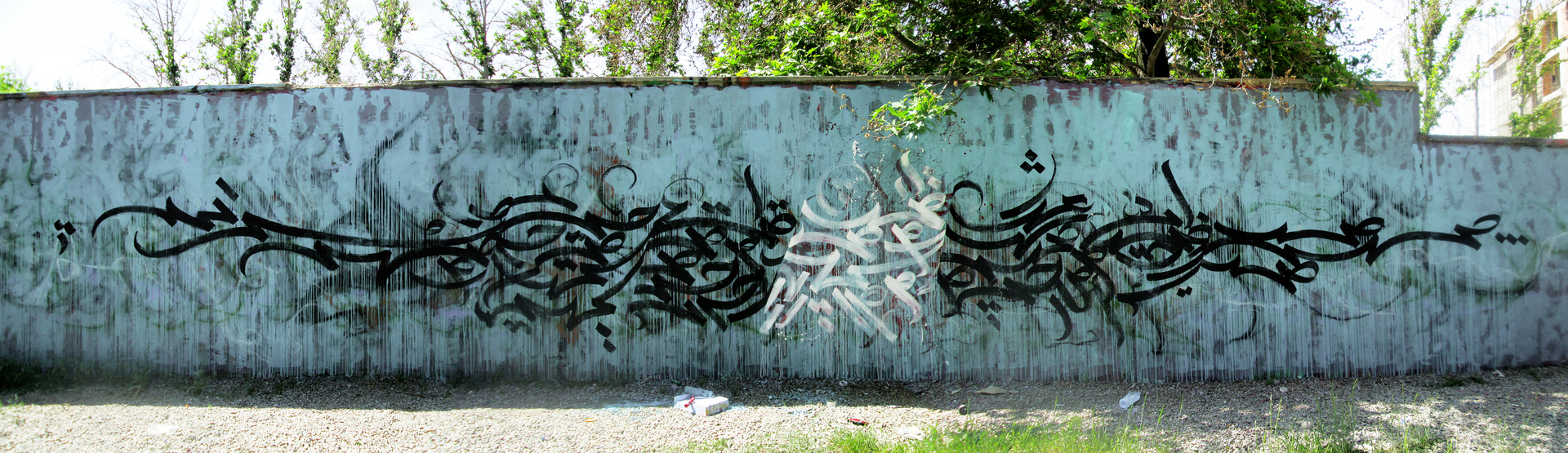
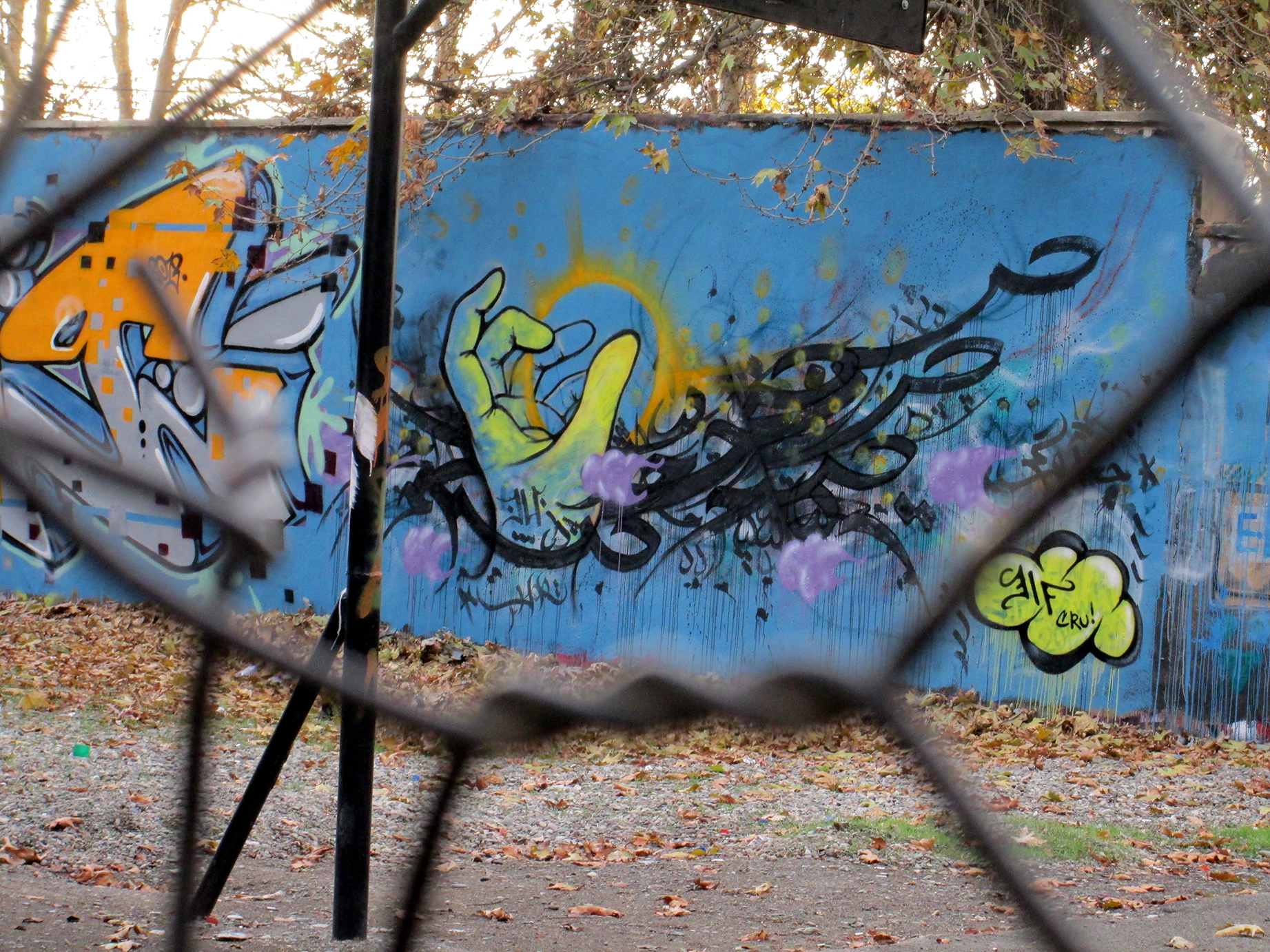
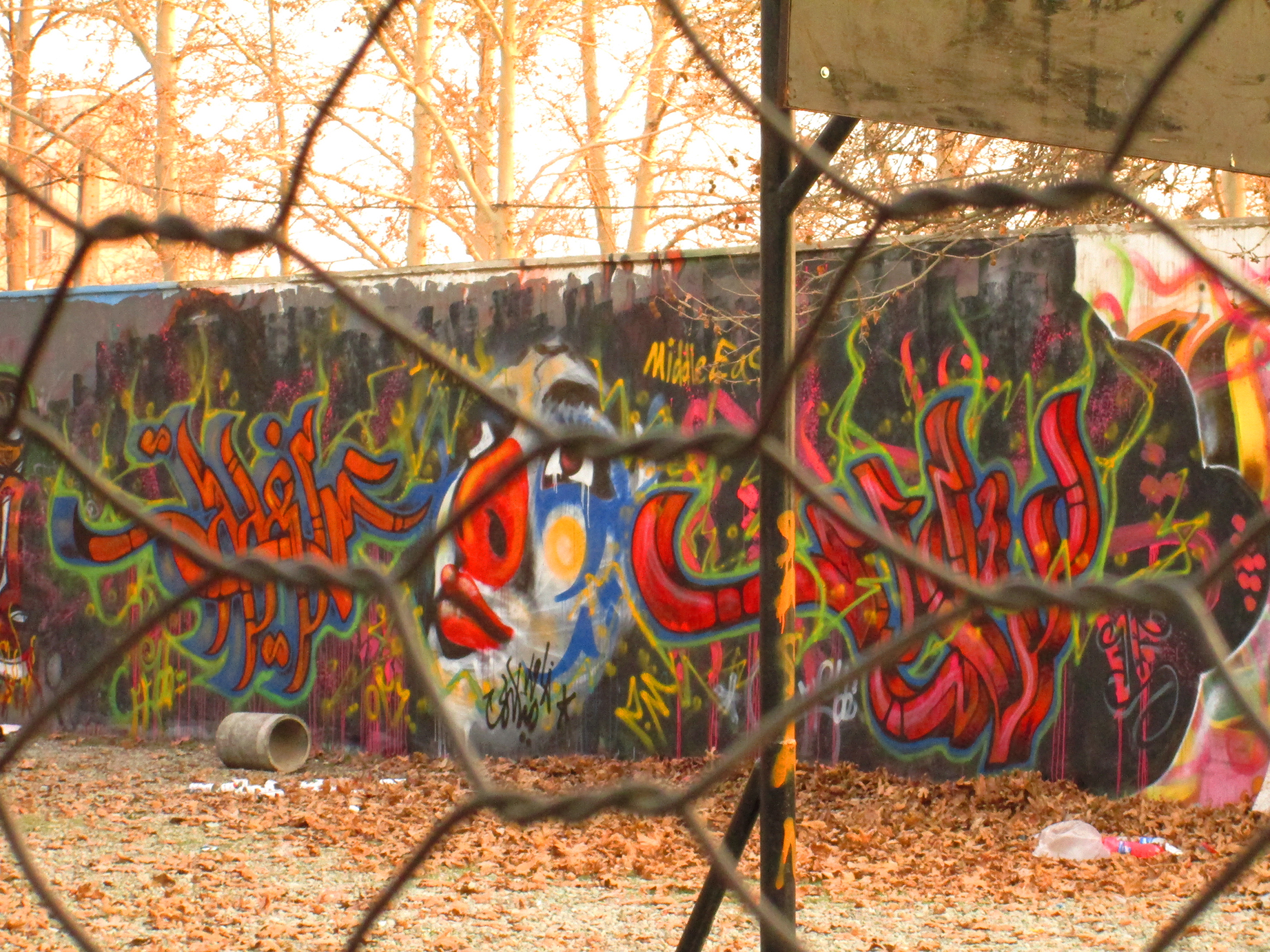
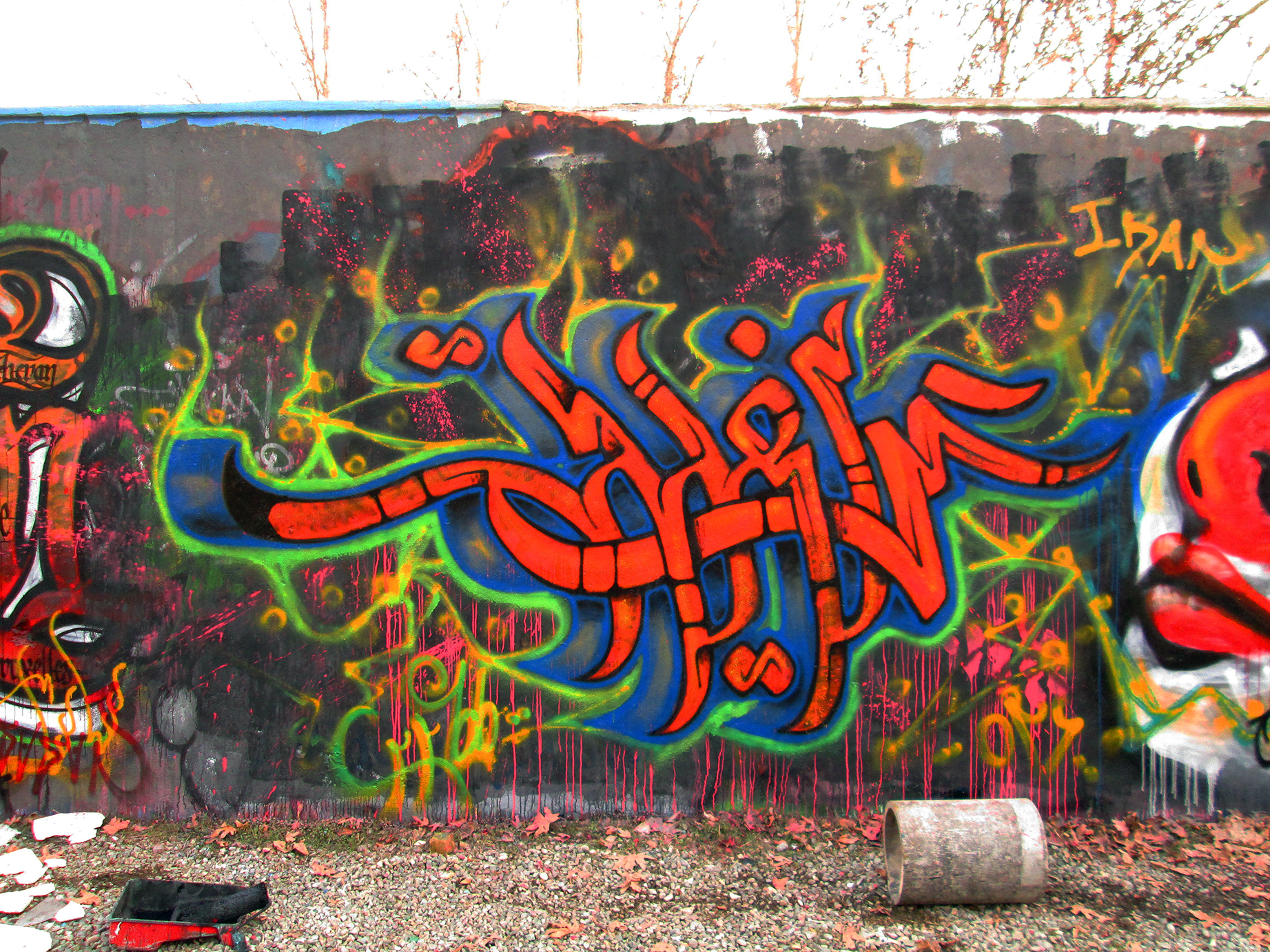
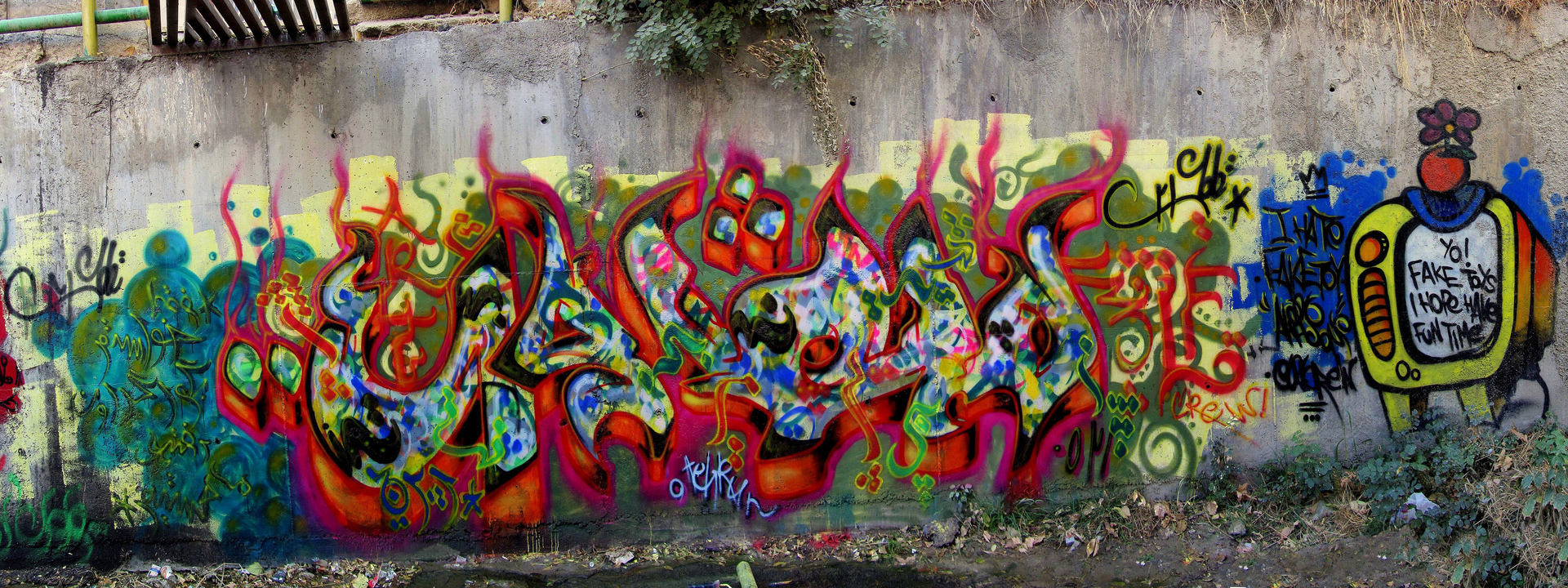
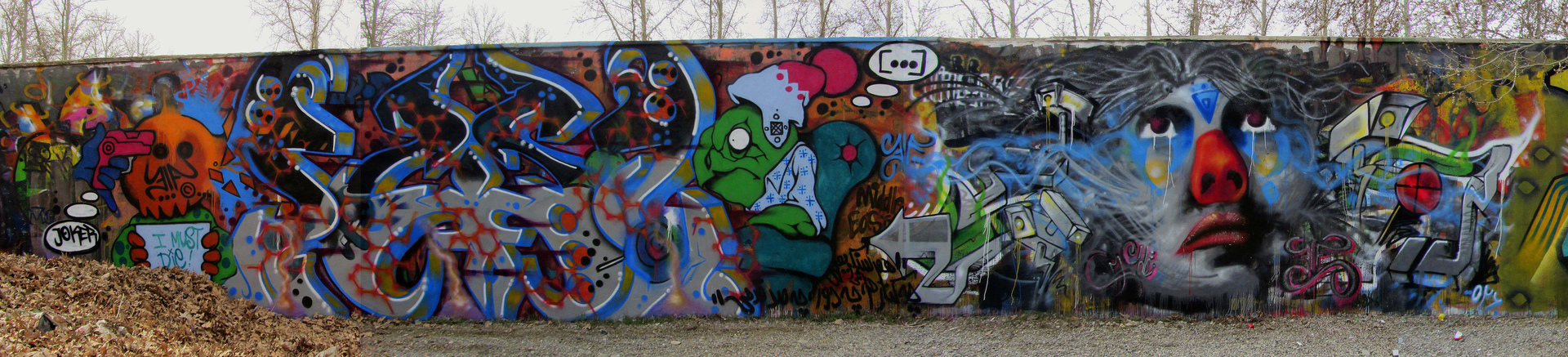
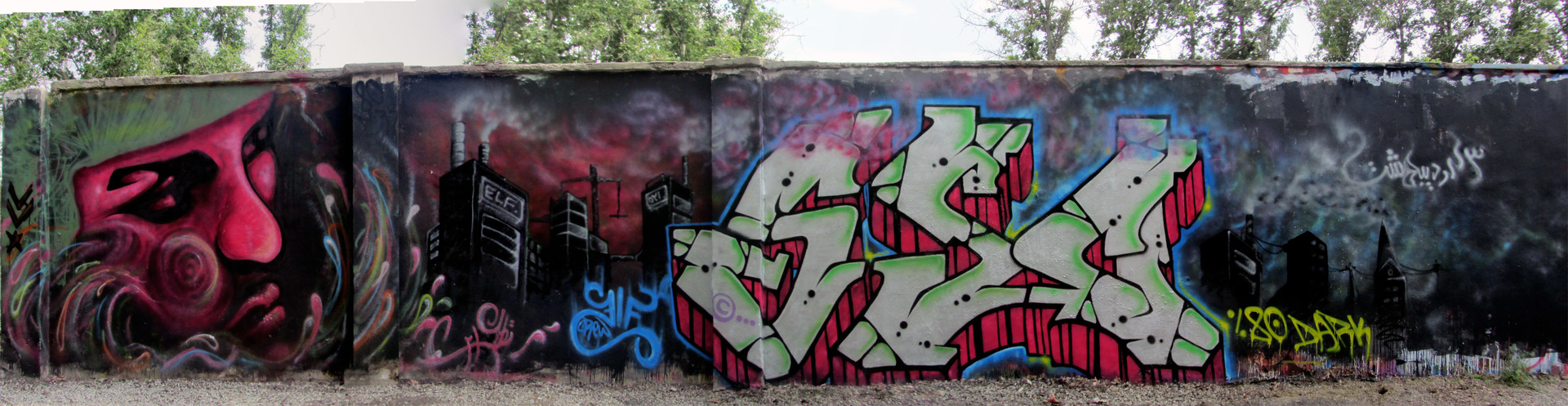
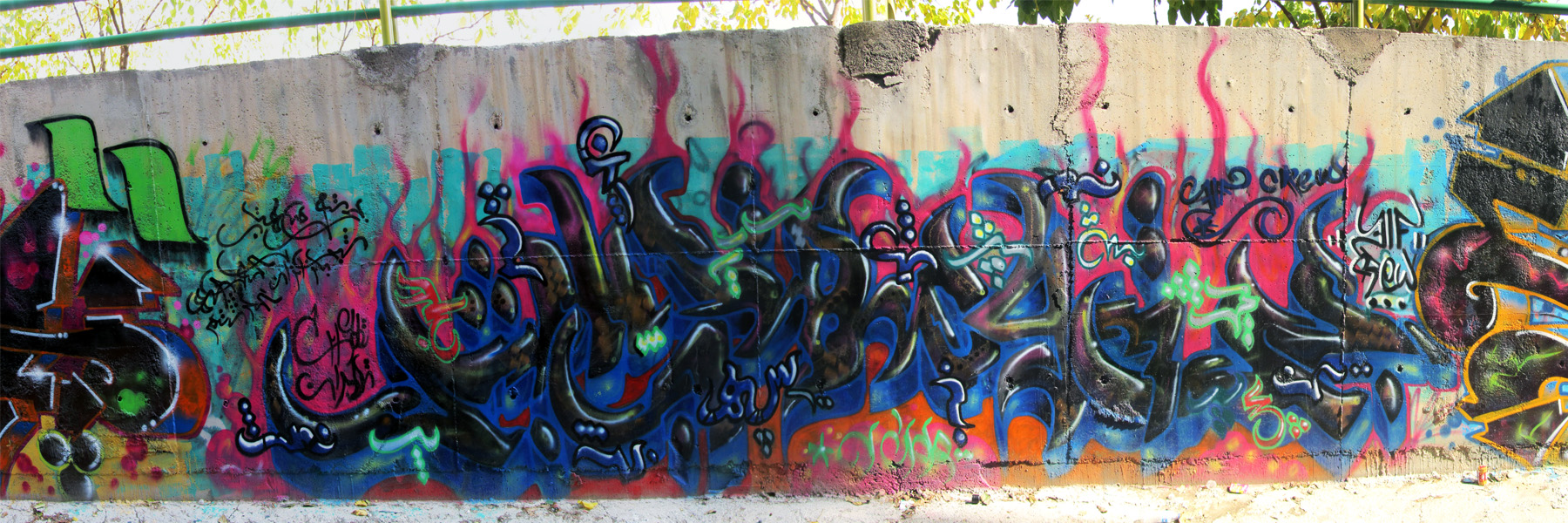
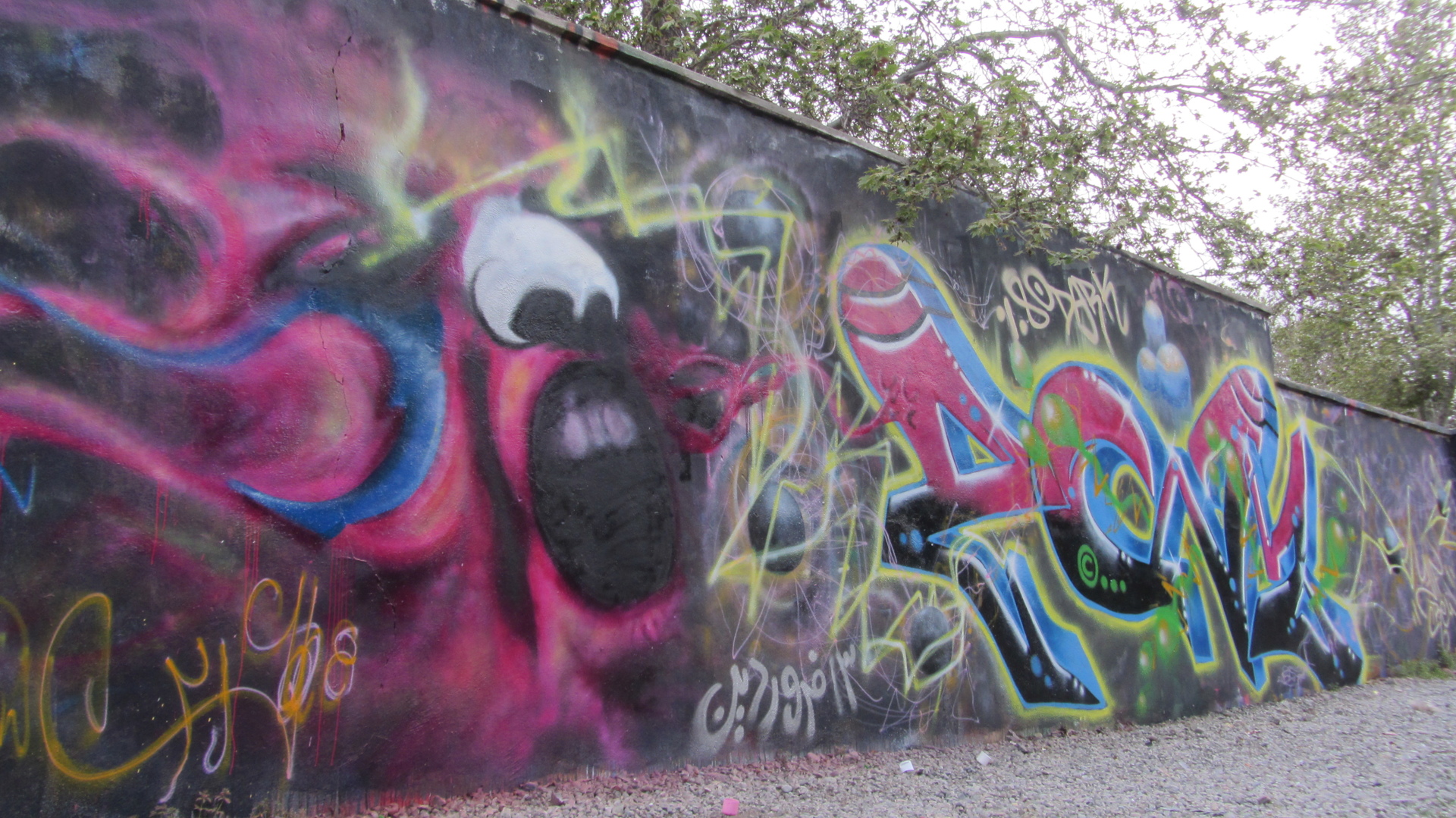
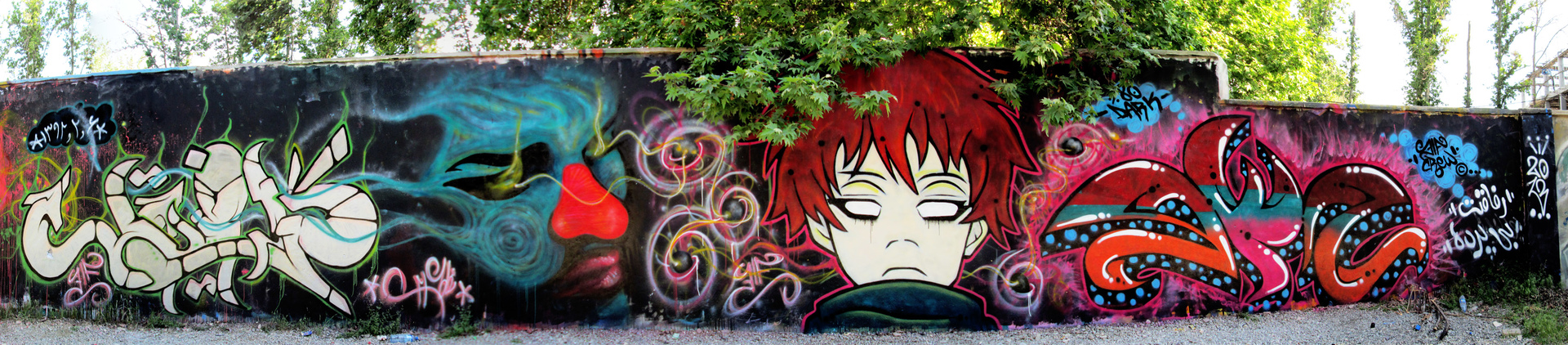
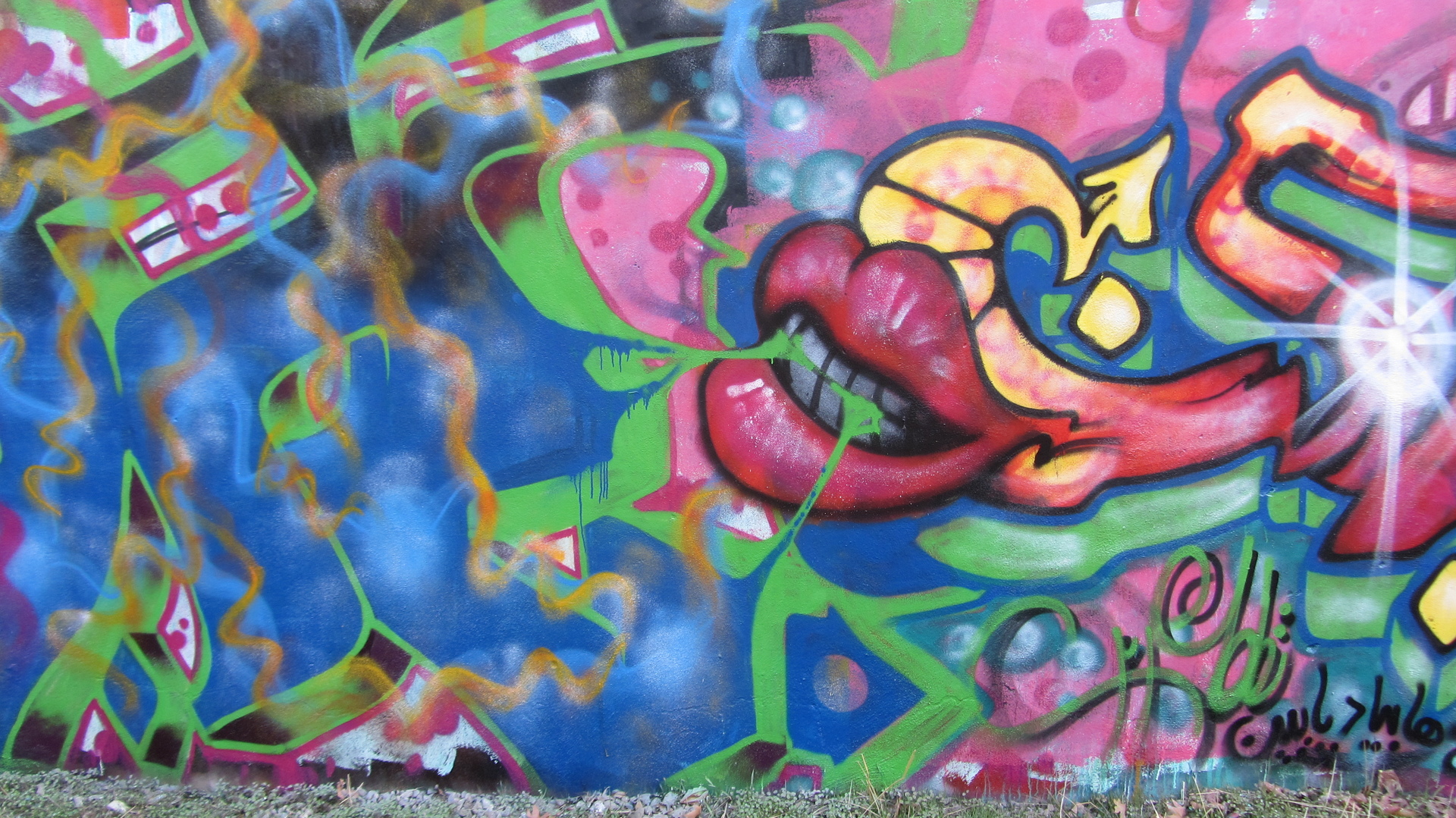
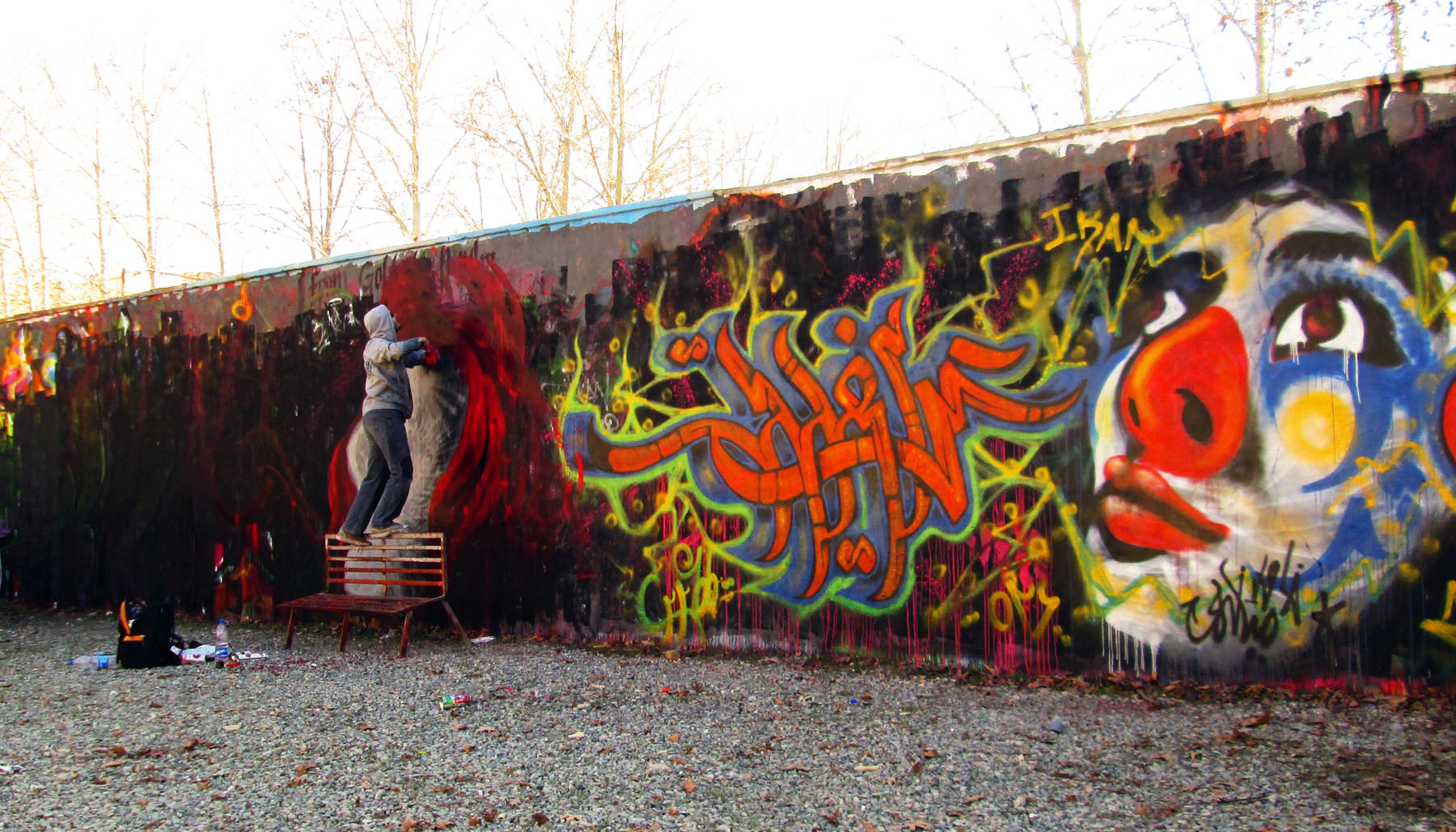
Ghalamdar – which means ‘the writer’ in Farsi/Persian – emerged as a graffiti artist in 2006. Born in 1994 in Tehran, in beginning as a youngster he reacted to the brutal urban environment by adding color to his gray-colored hometown. He wanted to break the habit of watching the same walls he passes by every day. so, by practicing and experimenting with a variety of graffiti styles in collaboration with other Iranian graffiti writers such as Elf crew – between the first emerging graffiti crews in the Middle East – to paint numerous big walls around Tehran.
Ghalamdar gradually avoided the Hip-Hop influences received via media to search for the roots of Iranian graffiti in the unique sociopolitical context of Iran. Approximately around the same time as the ’80s graffiti and hip-hop wave of America, there were radical social streams using wall-writing as a medium for bringing about the Iranian revolution of 1979. Ghalamdar thinks of his roots and the relationship between his artwork and the vandalism of the revolution – and such other Iranian social or artistic streams – and how they influence each other.
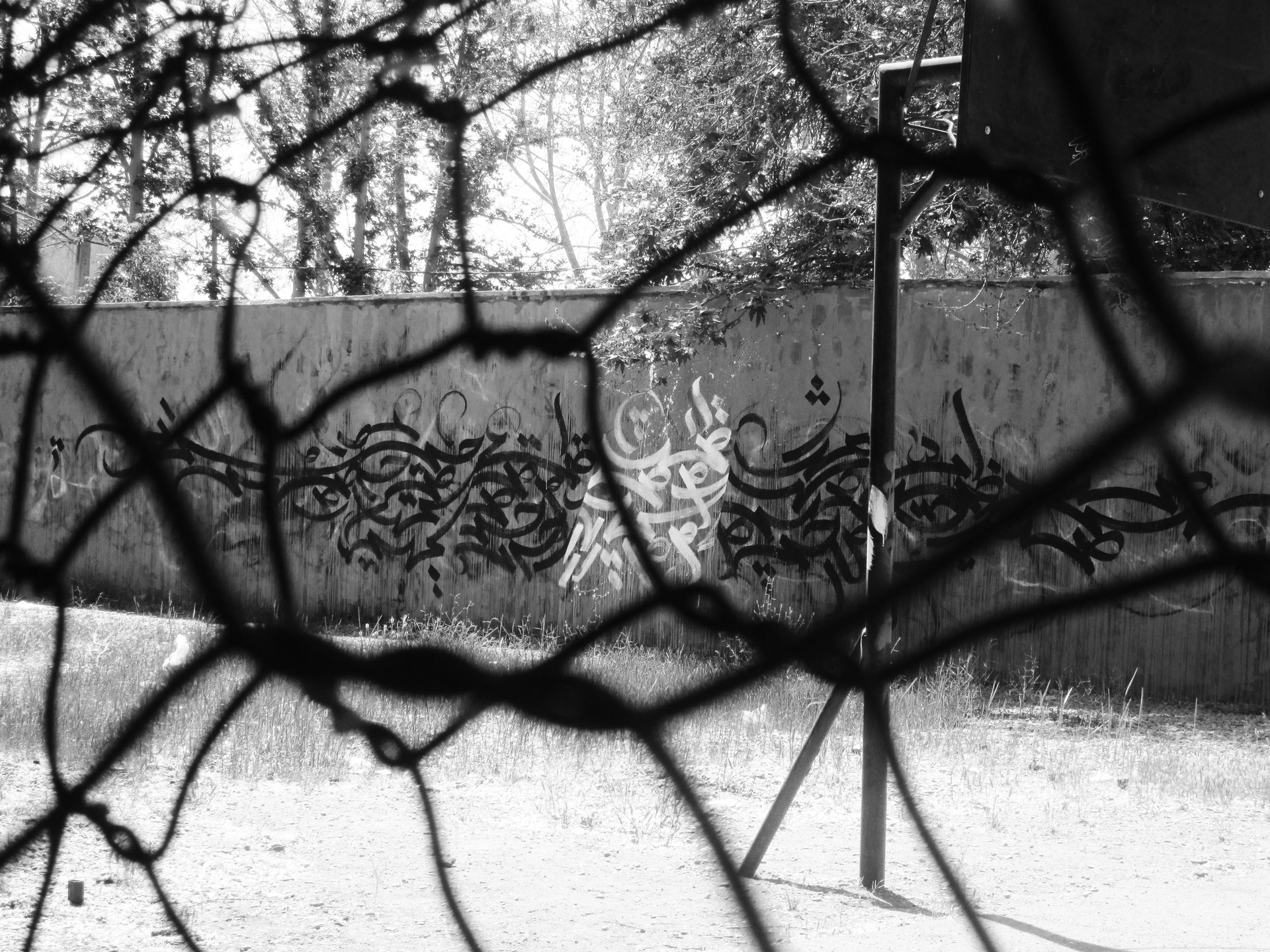
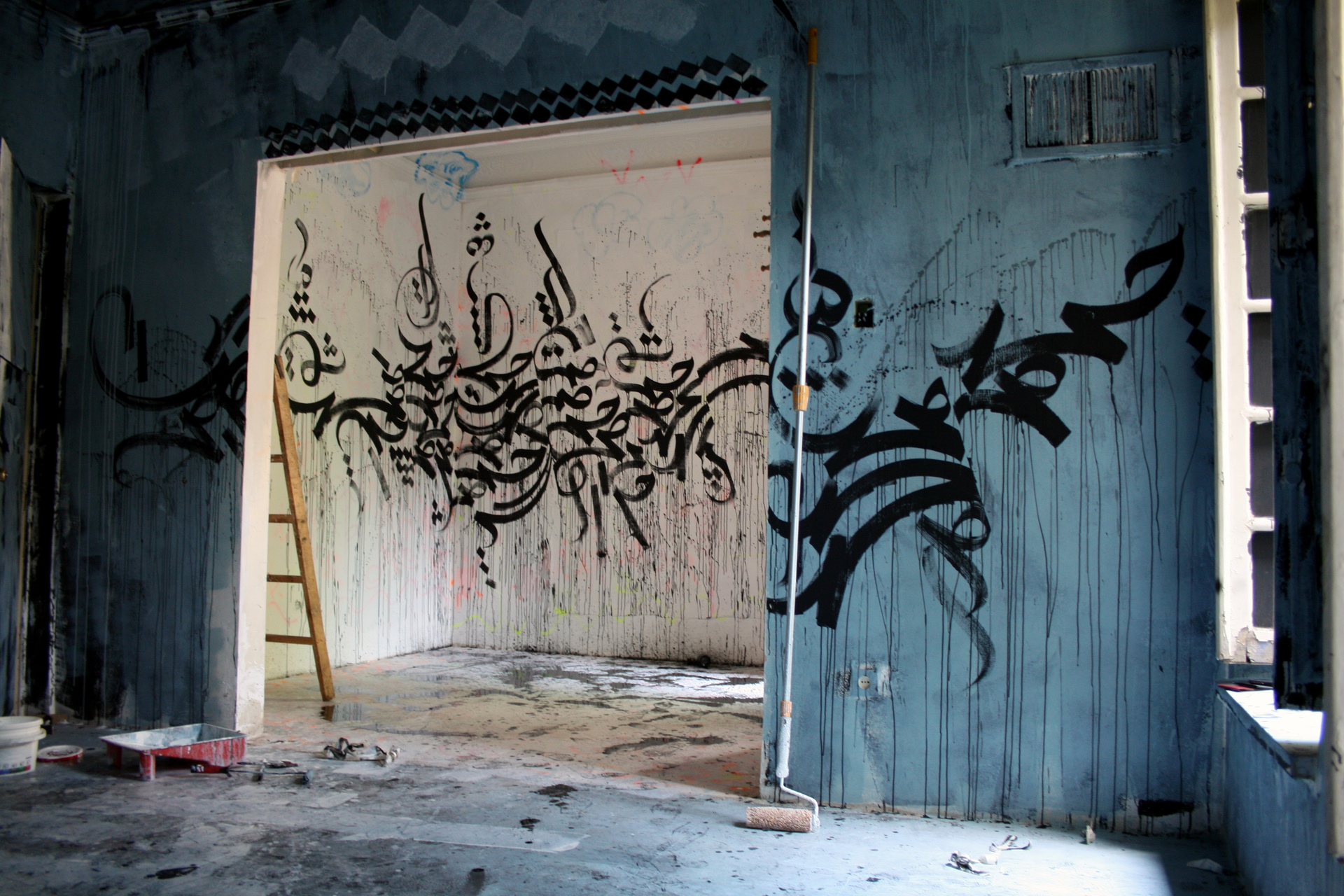
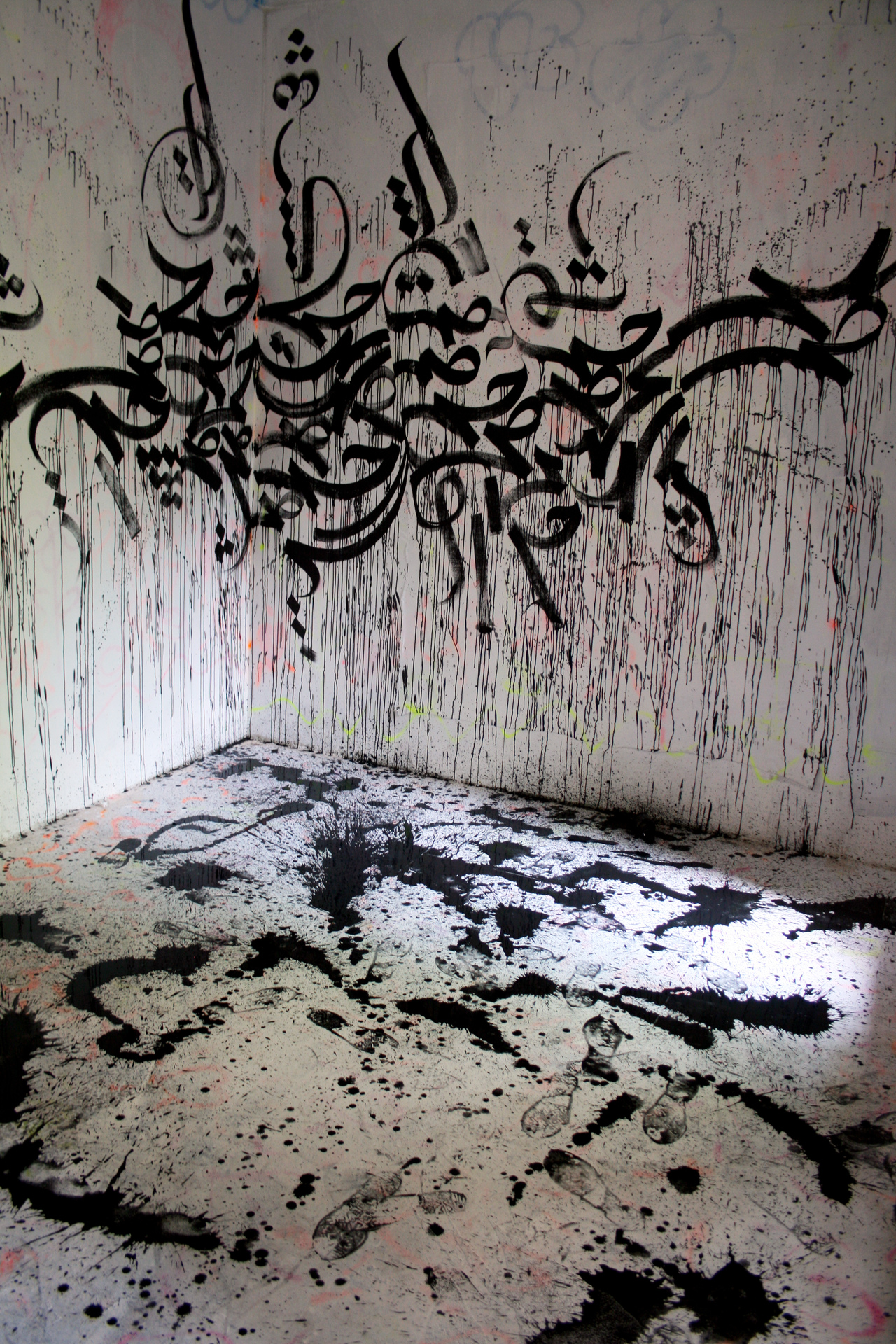
For gaining his artistic expression at the time, Ghalamdar found inspiration in the Saqqakhaneh movement of the 1960s and 1970s. He uses calligraphy, miniature painting (Negar-gari), folk objects, and Shi’i iconography as parts of his subject inspirations. He avoids the strict rules and preparation rituals of the craft in favor of abstraction. Saqqakhaneh artists directly inspired Ghalamdar to challenge the dominant pictorial material of Iranian street art aiming for developing an aesthetic with particular Iranian markers.
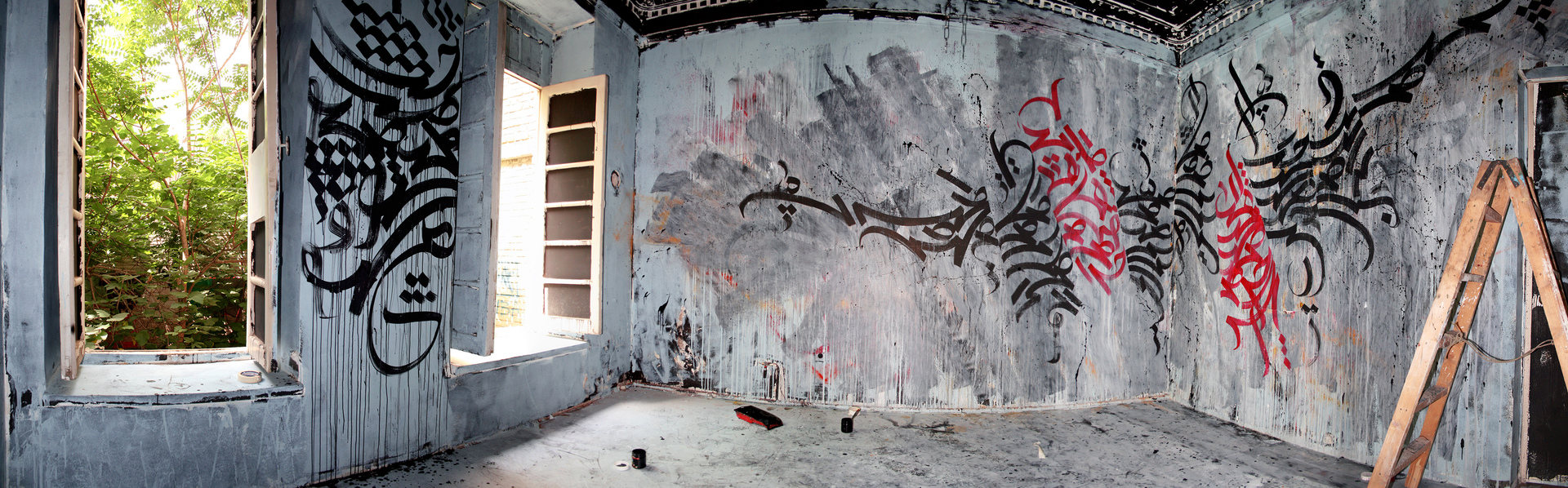
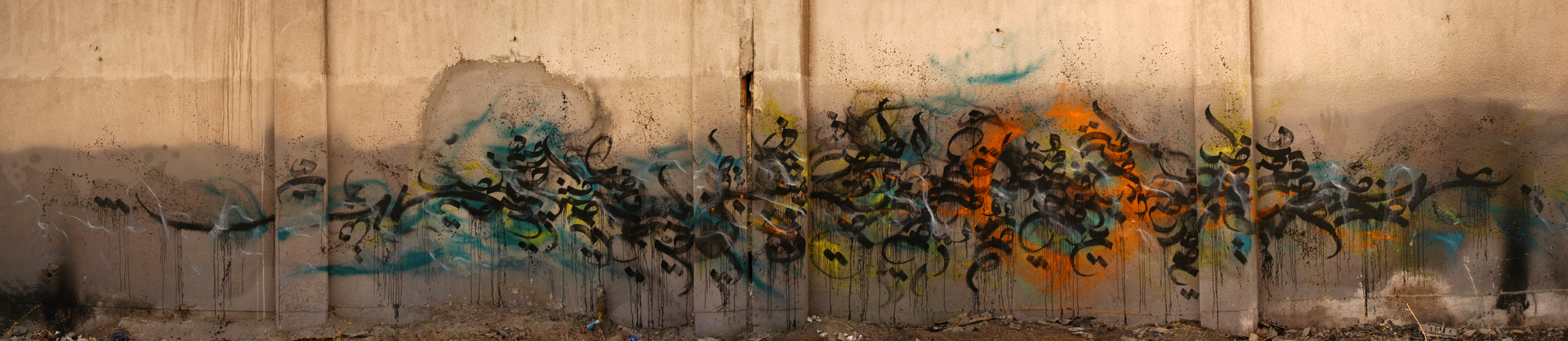
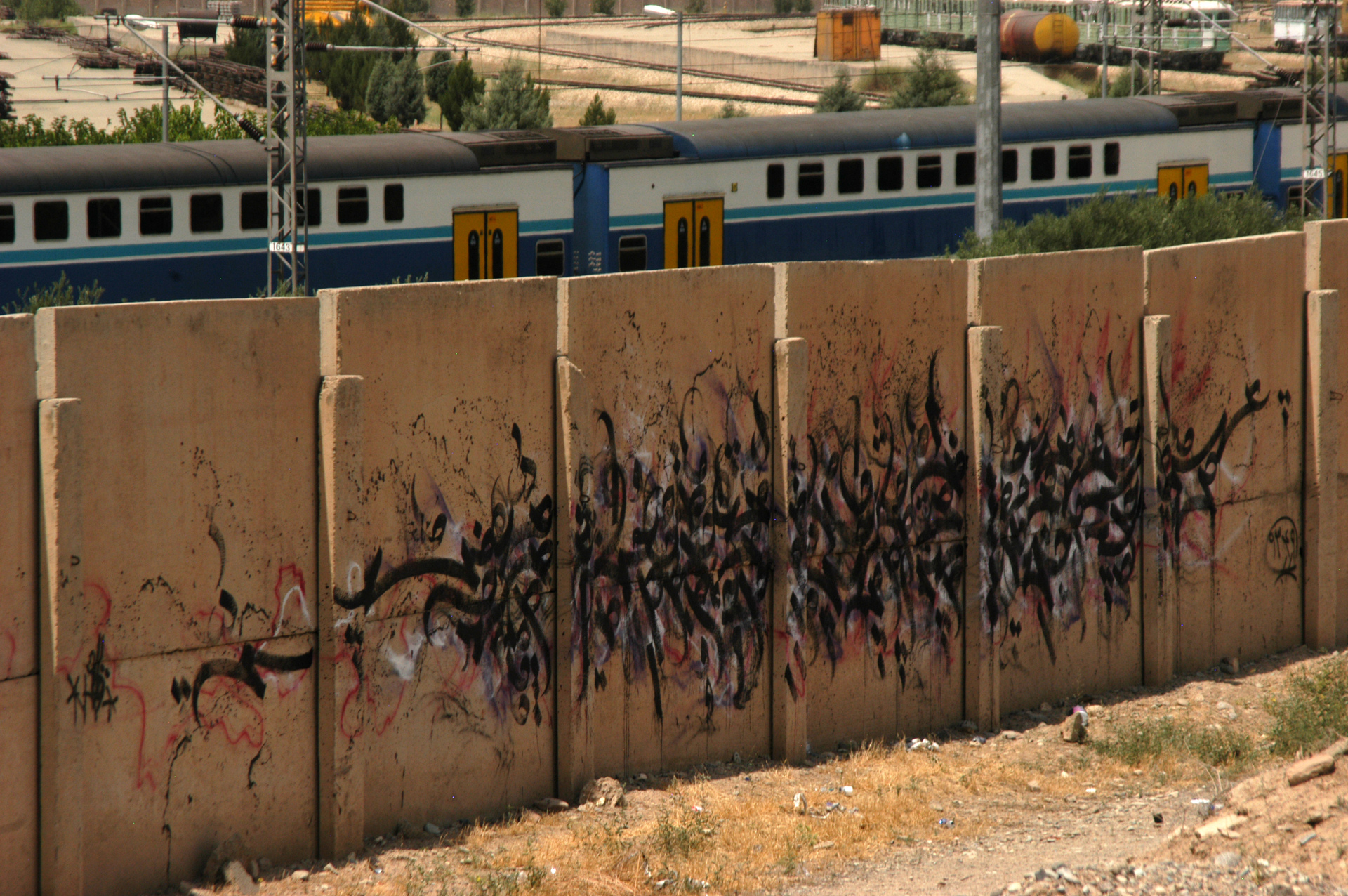
While Ghalamdar has undoubtedly been influenced by traditional calligraphic practice, his works share an affinity with the interlocking aesthetic of ‘wild style’ graffiti and traditional calligraphy which demonstrate an amalgamation of these two cultures. Like the letterist works of the Saqqakhaneh artists, Ghalamdar's text-based pieces have emphasized the pictorial form of Perso-Arabic script over the literary content of traditional calligraphic practice.
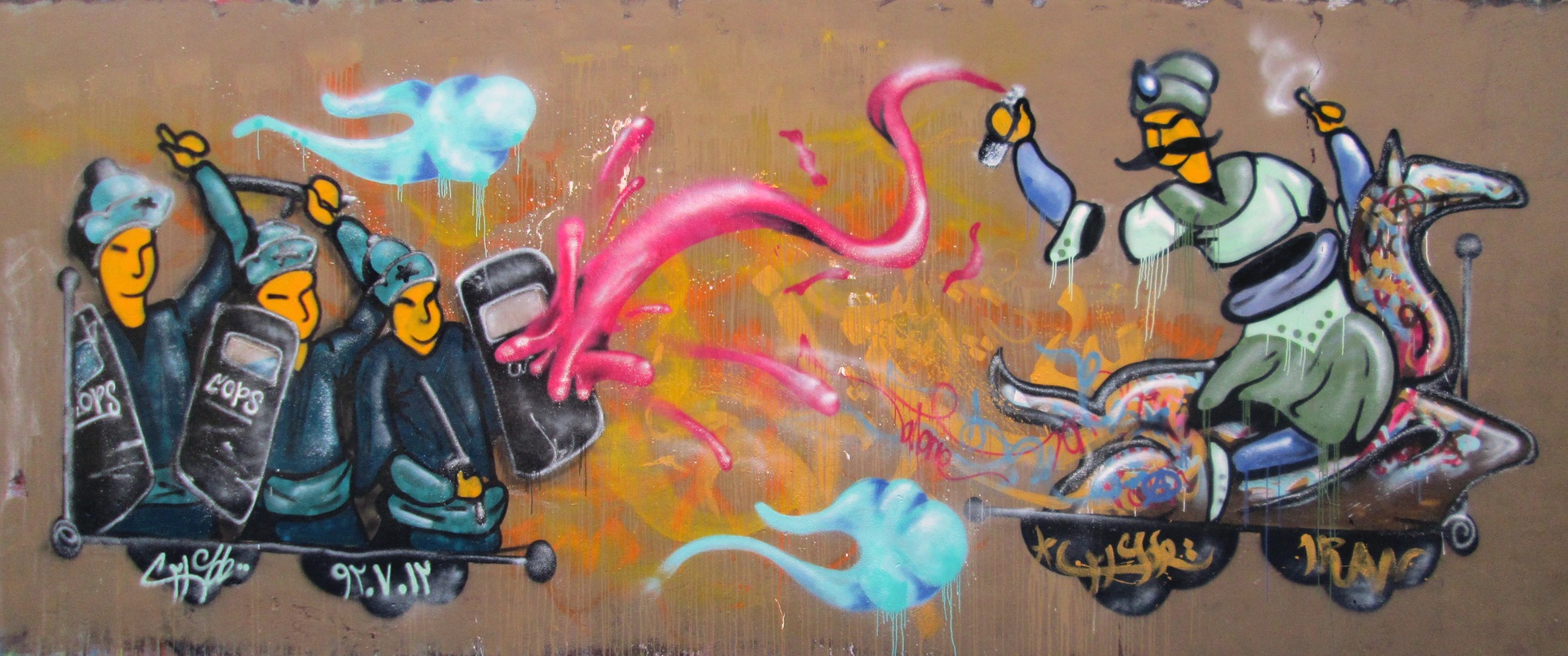
Ghalamdar regularly created pieces by deconstructing the Iranian folklore stories, legends, talismans, superstitions, and generally Iranian culture and traditions. He took a critical look at the Iranian contemporary identity particularly with post-modern philosophy and his graffiti pieces were personal investigations through Iranian art and history. He saw this process as a necessary social and civil engagement toward the ideological taste of the authorities.