British Art and Architecture in the Digital Age
Speculative Broadcast: Decolonising Archaeologies of Technology?
British Art & Architecture in the Digital Age – Symposium Context
On 11 July 2025, the Paul Mellon Centre and the University of Bristol organised the “British Art and Architecture in the Digital Age,” a one‑day event exploring how AI aesthetics, decolonial data practices and other digital technologies reshape British art history.
Context & Collaboration
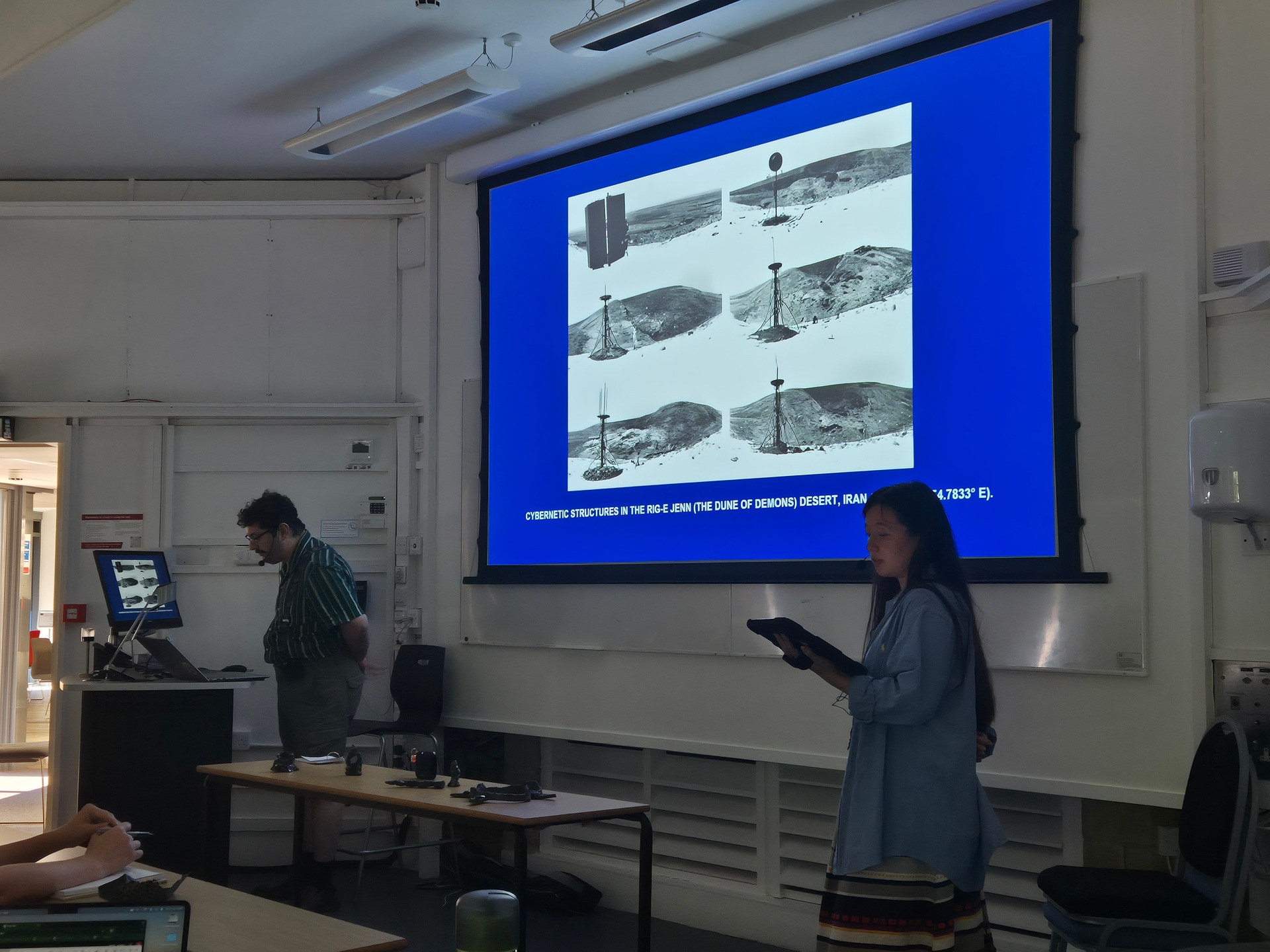
The ongoing `Performance‑lecture “Speculative Broadcast: Decolonising Archaeologies of Technology?” – Parham Ghalamdar and Dr. Sophie Mak‑Schram co‑created a live, scripted lecture with visuals and ceramic objects.
The piece blurred academic talk and artistic happening, inviting the audience to revisit technology’s past and future. Its improvisational format framed the “broadcast” as an open transmission of ideas rather than a polished conclusion
Conceptual Threads & Theoretical Frameworks
At the heart of Speculative Broadcast are four interlocking themes:
Cyberfeminism and cyborg theory – Inspired by Donna Haraway, questioning whether technology can dissolve rigid identities and warning that the archive filters information rather than simply reflecting it.
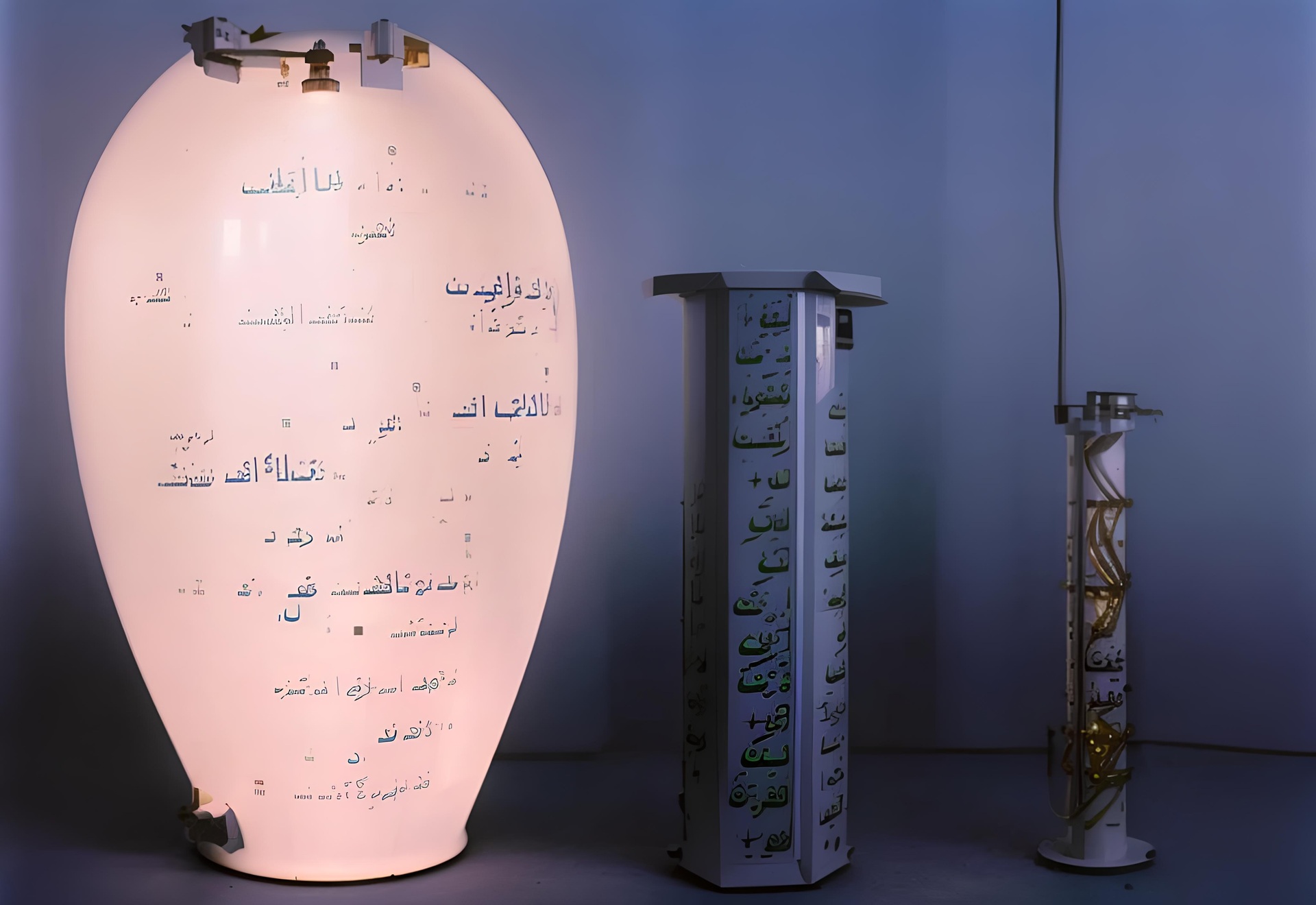
Speculative histories – Reclaims devices like the Baghdad Battery as evidence of an Islamic techno‑past, offering alternative ways to imagine both history and the future.
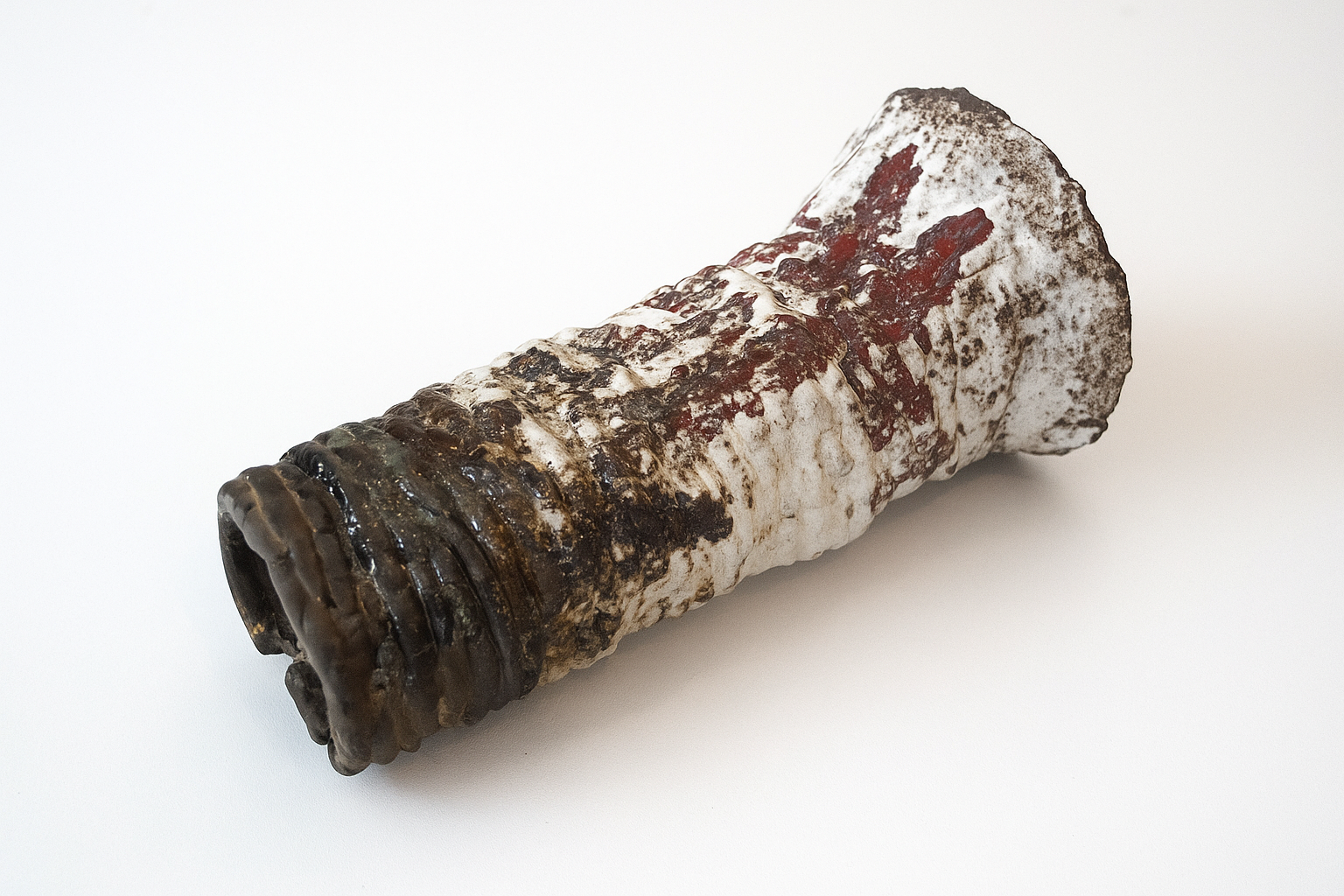
Glitch and noise – Embraces radio static, AI hallucinations and charred ceramics; sees failure and distortion as creative forces that expose colonial biases.
Decolonial technoarchaeology – Draws on Reza Negarestani and Mindy Seu to cast code as a haunted scripture and clay artifacts as “anti‑interfaces”; treats breakdowns as tools for revealing hidden power structures.
Excerpts from the Lecture
“What survives a broken signal?”
“An object caught mid‑sentence; a fragment that once spoke through voltage or myth.”
“These ceramics function as subversive indexes, illegible to colonial computation. They are anti‑interfaces.”
“In the shadow of the colonial eye, clay does not form vessels. It forms memory‑corruption.”
“There is no stable narrative of Britishness in the digital age. Only jamming. Only rebroadcast. Only the scorched remains of something that tried to speak but was never meant to be heard.”